Branding Graphic Designer: Here Why You Need One

If you are a business owner, you probably know how important it is to have a strong and consistent brand identity that reflects your values, mission, and vision. A brand identity is not just a logo or a slogan. And a Branding graphic designer helps you with that. 

A brand’s identity is a visual element system that communicates your message and personality to your target audience. But how do you create such a system? That’s where a branding graphic designer comes in. A branding graphic designer specializes in creating and developing brand identities for businesses and organizations. 

They use their skills in typography, color theory, layout, illustration, and other graphic design tools to create logos, icons, fonts, patterns, packaging, stationery, websites, social media graphics, and more. 

They also help to define the brand strategy, tone of voice, style guide, and other aspects of the brand identity.

A branding web design services can help you to:

  • Stand out from your competitors and attract your ideal customers.
  • Establish trust and credibility with your audience and stakeholders.
  • Increase awareness and recognition of your brand.
  • Create a consistent and memorable brand experience across all touchpoints.
  • Enhance customer loyalty and retention.
  • Boost your sales and revenue.

How To Find a Good Branding Graphic Designer?

branding-graphic-designer

To find a good branding graphic designer, look for the following signs.

Has An Impressive Portfolio

A good branding graphic designer should have a portfolio of relevant and impressive work that showcases their style, creativity, and versatility. 

Their portfolio should demonstrate their ability to create brand identities for different industries, markets, and audiences. You should look for examples of logos, icons, fonts, patterns, packaging, stationery, websites, social media graphics, and more that match your vision and expectations.

Understands Your Industry, Market, and Audience

A good branding graphic designer should have a solid understanding of your industry, market, and audience. They should be able to conduct research and analysis to identify your competitors, customers, and stakeholders. They should also be able to define your unique selling proposition, value proposition, and positioning statement. They should be able to create a brand identity that reflects your niche, differentiates you from your rivals, and appeals to your ideal customers.

Listens to Your Needs and Goals

A good branding graphic designer should listen to your needs and goals and ask the right questions to understand your vision and requirements. They should be able to communicate clearly and effectively throughout the process and provide feedback and suggestions. They should also be flexible and adaptable to accommodate any changes or revisions you request. They should be able to deliver a brand identity that meets or exceeds your expectations.

Delivers High-Quality Work on Time and Within Budget

A good branding graphic designer should deliver high-quality work on time and within budget. 

They should be able to manage their time and resources efficiently and effectively. 

They should also be able to use the latest tools and technologies to create stunning and functional brand identities. They should be able to provide you with all the necessary files and formats for your project. 

They should also be able to handle any issues or problems that may arise during or after the project.

Provides Feedback and Support After the Project is Completed

branding-graphic-designer

A good branding graphic designer should provide feedback and support after completing the project. 

They should be able to evaluate the results and outcomes of the project and measure its impact and success. 

They should also be able to provide you with any updates or maintenance that you may need for your brand identity. 

They should also be willing to establish a long-term relationship with you and work on future projects.

A branding graphic designer can be a valuable partner for your business’s growth and success. If you are looking for one, search online or seek referrals from your network. 

Alternatively, just use any search engine to find your project’s best branding graphic designer. Just type in your query, and you’ll see the most relevant and reliable results in front of your eyeballs.

10 Brand And Website Design For Your Inspiration (2023)

Brand and website design is an essential part of any business. It helps you stand out, communicate your values and personality, and attract ideal customers. A good brand and website design can also boost your credibility, increase your conversions, and enhance your user experience.

But how do you create a brand and website design that is both beautiful and effective? How do you balance aesthetics and functionality? How do you showcase your unique selling proposition and tell your story?

To help you get some inspiration, we have compiled a list of 10 brand and website design examples that we think are stunning and impressive. These examples cover different industries, styles, and goals, but they all have one thing in common: they are designed with purpose and passion.

Let’s look at them and see what we can learn from them.

brand-and-website-design

1. Airbnb

Airbnb is a well-known online marketplace that connects travelers with local hosts who offer accommodation and experiences. Their brand and website design reflects their mission of creating a world where anyone can belong anywhere.

The logo is a simple but memorable symbol representing four concepts: people, places, love, and Airbnb. The color palette is warm and inviting, with shades of pink, purple, orange, and yellow. The typography is modern and friendly, with a custom font called Airbnb Cereal.

The website is clean and intuitive, with large images, clear navigation, and easy-to-use filters. The homepage features a powerful headline that invites users to explore new possibilities. The content is engaging and informative, with stories from hosts and guests, tips and guides, and social proof.

Airbnb’s brand and website design is a great example of creating a consistent and cohesive identity that expresses your vision and values.

2. Slack

Slack is a popular online platform that enables team collaboration and communication. Their brand and website design showcases their fun and playful personality, as well as their functionality and versatility.

The logo is a colorful hashtag that represents the idea of connecting people and channels. The color palette is bright and vibrant, with shades of blue, green, yellow, red, and purple. The typography is bold and quirky, with a custom Slack Circular font.

The website is lively and dynamic, with animations, illustrations, and icons. The homepage features a catchy headline that highlights the benefits of using Slack. The content is concise and persuasive, with testimonials, case studies, and statistics.

Slack’s brand and website design is a great example of creating a distinctive and memorable identity that appeals to your target audience.

3. Spotify

Spotify is a leading online platform that provides music streaming and podcasting services. Their brand and website design reflects their passion for music and culture.

The logo is a simple but recognizable green circle with three black sound waves. The color palette is dark and moody, with shades of black, gray, green, and white. The sleek and elegant typography, with a custom font called Spotify Circular.

The website is stylish and sophisticated, with stunning images, videos, and graphics. The homepage features a captivating headline that invites users to discover new music. The content is curated and personalized, with playlists, recommendations, charts, and genres.

Spotify’s brand and website design is a great example of creating a sleek and sophisticated identity showcasing your product and service.

4. Mailchimp

Mailchimp is a popular online platform that provides email marketing and automation tools. Their brand and website design expresses their creativity and humor.

The logo is a cute but clever monkey head with a mail envelope for an ear. The color palette is cheerful and optimistic, with shades of yellow, orange, blue, and white. The typography is whimsical and expressive, with a custom font called Cooper Light.

The website is colorful and quirky, with illustrations, animations, and icons. The homepage features a witty headline that highlights the value proposition of Mailchimp. The content is friendly and helpful, with guides, resources, and examples.

Mailchimp’s brand and website design is a great example of creating a creative and humorous identity that differentiates you from your competitors.

5. Netflix

Netflix is a dominant online platform that provides video streaming services. Their brand and website design reflects their quality and variety of content.

The logo is a simple but powerful red wordmark with a custom font called Netflix Sans. The color palette is minimalistic and elegant, with black, red, and white shades. The typography is crisp and clear, with a sans-serif font called Gotham.

The website is sleek and user-friendly, with large images, smooth transitions, and easy-to-use menus. The homepage features a compelling headline that entices users to sign up for a free trial. The content is diverse and engaging, with genres, categories, recommendations, and ratings.

Netflix’s brand and website design is a great example of creating a minimalistic and elegant identity that showcases your quality and variety of content.

6. Nike

Nike is a global leader in sports apparel, footwear, and equipment. Their brand and website design embodies their spirit of innovation and excellence.

The logo is an iconic swoosh representing movement, speed, and energy. The color palette is bold and confident, with shades of black, white, red, and blue. The typography is strong and assertive, with a custom Nike Bureau font.

The website is dynamic and inspiring, with stunning images, videos, and stories. The homepage features an empowering headline that motivates users to pursue their goals. The content is relevant and informative, with products, collections, services, and events.

Nike’s brand and website design is a great example of creating a bold and confident identity that embodies your spirit of innovation and excellence.

7. Shopify

Shopify is a leading online platform that enables anyone to create an online store and sell their products. Their brand and web design services reflect their mission of improving commerce for everyone.

The logo is a simple but clever green shopping bag with an S-shaped handle. The color palette is fresh and friendly, with shades of green, blue, gray, and white. The typography is modern and clean, with a custom font called Shopify Sans.

The website is bright and inviting, with beautiful images, illustrations, and icons. The homepage features an inspiring headline encouraging users to start their businesses. The content is clear and helpful, with features, benefits, examples, and support.

Shopify’s brand and website design is a great example of how to create a fresh and friendly identity that reflects your mission of making commerce better for everyone.

8. Apple

Apple is a giant in technology products such as iPhone, iPad, iMac, and more. Their brand and website design showcases their elegance and simplicity.

The logo is an apple with a bite mark. The color palette is minimalistic and sophisticated, with black, white, silver, and gold shades. The typography is smooth and refined, with a San Francisco custom font.

The website is minimalistic and sophisticated, with images, videos, and graphics. The homepage features a headline that introduces the latest product. The content is simple and informative, with features, specifications, and prices.

Apple’s brand and website design is a great example of creating a minimalistic and sophisticated identity that showcases elegance and simplicity.

9. Starbucks

Starbucks is a world-famous coffee company. Their brand and website design expresses their passion for quality coffee.

The logo is a green siren that symbolizes the heritage of coffee. The color palette is warm and inviting, with shades of green, brown, and white. The typography is classic and cozy, with a custom font called Sodo Sans.

The website is warm and inviting, with images, stories, and icons. The homepage features a headline that welcomes users to join the rewards program. The content is delicious and informative, with products, menus, recipes, and news.

Starbucks’ brand and website design is a great example of creating a warm and inviting identity that expresses your passion for quality coffee.

10. Lego

Lego is a beloved toy company. Their brand and website design celebrates their creativity and fun.

The logo is a red wordmark with rounded letters. The color palette is colorful and playful, with shades of red, yellow, blue, green, and white. The typography is funny and friendly, with a custom font called Lego Thick.

The website is colorful and playful, with images, animations, and games. The homepage features a headline that invites users to explore the Lego world. The content is funny and engaging, with products, themes, videos, and activities.

Lego’s brand and website design is a great example of creating a colorful and playful identity that celebrates your creativity and fun.

Final Words

I hope you enjoyed this blog post about 10 brand and website design for inspiration. You can contact one of the companies listed here if you need help creating your brand website design. They will assist you further in making your vision a reality. Thank you for reading!

15 Best Business Websites For Maximizing Online Success

New to online business? Well…good for you! Because I have compiled a list of the best business websites that are sure to help you in the business.

In this highly competitive digital landscape, having a strong online presence is vital for businesses of all sizes. A crucial aspect of establishing that presence is through a well-designed and functional website. 

In this article, we will explore an extensive list of business websites that can significantly contribute to the success and growth of your online venture. From e-commerce platforms and website builders to customer relationship management (CRM) tools and analytics platforms, we have curated a comprehensive selection to cater to various business needs.

Here’s a list of 15 essential websites that would be a great help in your online business journey:

E-commerce Platforms

best-business-websites

Shopify

Overview: Shopify is a leading e-commerce platform that empowers businesses to set up and manage online stores seamlessly.

Key Features: Customizable templates, secure payment gateways, inventory management, and robust analytics.

Benefits: User-friendly interface, scalability, extensive app integrations, and excellent customer support.

WooCommerce

Overview: WooCommerce is a popular WordPress plugin transforming websites into powerful e-commerce platforms.

Key Features: Seamless integration with WordPress, flexible product management, extensive customization options, and a vast plugin ecosystem.

Benefits: High degree of control, scalability, SEO-friendly structure, and easy integration with existing WordPress websites.

BigCommerce

Overview: BigCommerce offers an all-in-one solution for businesses of all sizes, providing a feature-rich e-commerce platform.

Key Features: Responsive themes, built-in marketing tools, multi-channel selling capabilities, and comprehensive analytics.

Benefits: Scalability, robust security, advanced SEO features, and seamless integration with third-party applications.

Website Builders

best-business-websites

Wix

Overview: Wix is a versatile website builder that empowers businesses to create stunning websites with its drag-and-drop interface.

Key Features: Extensive template collection, intuitive design tools, mobile responsiveness, and e-commerce functionality.

Benefits: Ease of use, visually appealing designs, SEO optimization, and reliable hosting infrastructure.

Squarespace

Overview: Squarespace is renowned for its visually appealing templates and intuitive interface, enabling businesses to create professional websites.

Key Features: Modern templates, built-in SEO tools, e-commerce functionality, and content management capabilities.

Benefits: Sleek and stylish designs, mobile responsiveness, reliable hosting, and 24/7 customer support.

Weebly

Overview: Weebly is a user-friendly website builder that offers a range of features, making it ideal for small businesses.

Key Features: Drag-and-drop builder, customizable templates, e-commerce functionality, and integrated marketing tools.

Benefits: Easy setup process, affordability, mobile optimization, and integrated blogging platform.

Content Management Systems (CMS)

best-business-websites

WordPress

Overview: WordPress is the most popular CMS globally, known for its flexibility, customization options, and extensive plugin ecosystem.

Key Features: Highly customizable, vast theme library, plugin availability, and intuitive content management capabilities.

Benefits: Flexibility for different website types, strong SEO capabilities, community support, and regular updates.

Joomla

Overview: Joomla is a powerful CMS that balances flexibility, ease of use, and robust features.

Key Features: Extensive template library, multilingual support, advanced user management, and granular access control.

Benefits: Scalability, strong community support, e-commerce capabilities, and flexibility for complex websites.

Drupal

Overview: Drupal is a highly customizable CMS known for its enterprise-level capabilities and strong security measures.

Key Features: Advanced content management, modular architecture, scalable for large websites, and excellent security features.

Benefits: High performance, flexibility for complex websites, robust user management, and extensive developer community.

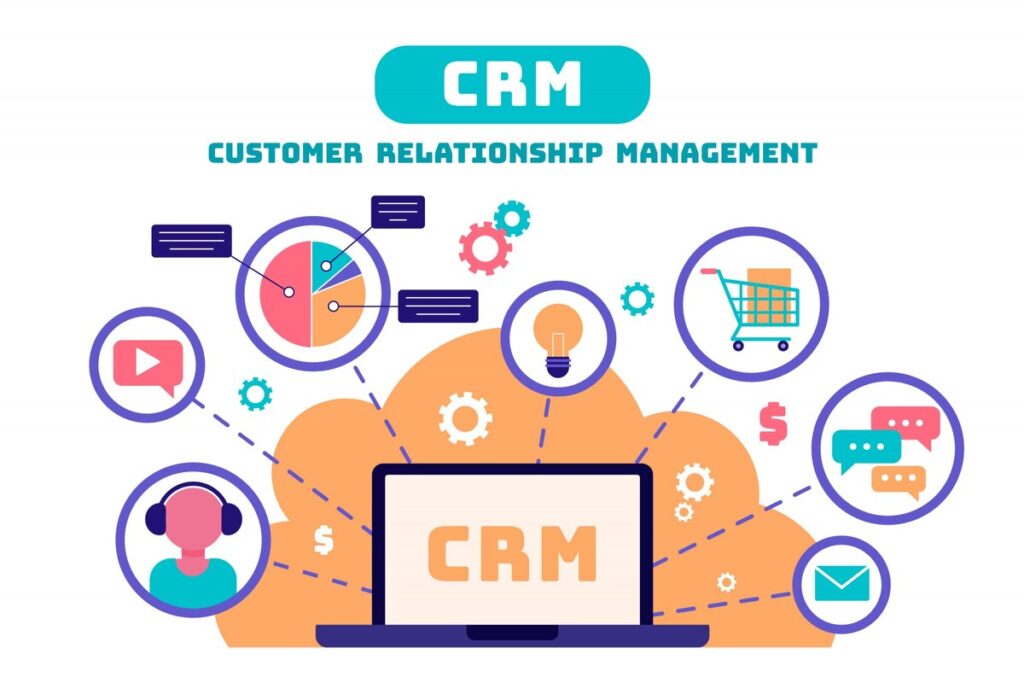
Customer Relationship Management (CRM) Tools

best-business-websites

HubSpot

Overview: HubSpot is a comprehensive CRM platform integrating marketing, sales, and customer service.

Key Features: Lead management, email marketing automation, customer support ticketing, and in-depth analytics.

Benefits: Centralized customer data, marketing automation, personalized customer experiences, and comprehensive reporting.

Salesforce

Overview: Salesforce is a leading CRM solution that offers a wide array of features for sales, marketing, and service automation.

Key Features: Lead management, opportunity tracking, email integration, sales forecasting, and customizable dashboards.

Benefits: Powerful sales automation, advanced analytics, extensive integrations, and scalability for businesses of all sizes.

Zoho CRM

Overview: Zoho CRM is an affordable CRM platform with a user-friendly interface designed for small to medium-sized businesses.

Key Features: Lead and contact management, sales pipeline tracking, email marketing automation, and social media integration.

Benefits: Easy to use, customizable workflows, seamless integration with other Zoho apps, and affordability.

Project Management Tools

best-business-websites

Asana

Overview: Asana is a versatile project management tool that allows businesses to organize tasks, collaborate, and track project progress.

Key Features: Task management, team collaboration, project timelines, file sharing, and integration with popular apps.

Benefits: Visual project tracking, real-time communication, centralized task management, and customizable workflows.

Trello

Overview: Trello is a popular project management tool known for its visual board interface and simplicity.

Key Features: Kanban-style boards, customizable cards, task assignments, due dates, and collaboration features.

Benefits: Easy-to-use interface, visual project overview, flexibility for various project management approaches, and integration capabilities.

Basecamp

Overview: Basecamp is a widely used project management and team collaboration tool that offers a centralized platform for task management, scheduling, and communication.

Key Features: To-do lists, file storage, messaging, project templates, and milestones.

Benefits: Simplified project management, streamlined team communication, document sharing, and email notifications.

Email Marketing Platforms

best-business-websites

Mailchimp

Overview: Mailchimp is an easy-to-use email marketing platform that allows businesses to create and send professional email campaigns.

Key Features: Email automation, customizable templates, audience segmentation, A/B testing, and detailed analytics.

Benefits: User-friendly interface, marketing automation capabilities, integrations with popular apps, and advanced reporting.

Constant Contact

Overview: Constant Contact is known for its user-friendly interface and robust email marketing features.

Key Features: Customizable templates, contact management, automated email series, event management, and social media integration.

Benefits: Easy email campaign creation, audience segmentation, event promotion, tracking tools, and reliable deliverability.

ConvertKit

Overview: ConvertKit is a powerful email marketing platform for creators and small businesses.

Key Features: Automation workflows, customizable signup forms, audience segmentation, and advanced reporting.

Benefits: Simplified automation, easy email sequence creation, user-friendly interface, and tailored content creators.

Social Media Management Tools

best-business-websites

Hootsuite

Overview: Hootsuite is a comprehensive social media management platform that enables businesses to schedule posts, engage with their audience, and analyze social media performance.

Key Features: Social media scheduling, social listening, content curation, team collaboration, and analytics.

Benefits: Centralized social media management, time-saving scheduling, real-time engagement, and detailed analytics.

Buffer

Overview: Buffer is an intuitive social media scheduling tool that helps businesses plan and publish content seamlessly across various social media channels.

Key Features: Social media scheduling, content calendar, analytics, and team collaboration.

Benefits: Easy content scheduling, post customization for each platform, content analytics, and team collaboration features.

Sprout Social

Overview: Sprout Social is a feature-rich social media management platform that offers engagement, publishing, and analytics tools to optimize social media strategies.

Key Features: Social media scheduling, message monitoring, social CRM, reporting, and team collaboration.

Benefits: Unified social media management, comprehensive analytics, customer engagement features, and robust reporting capabilities.

Analytics and Reporting Tools

best-business-websites

Google Analytics

Overview: Google Analytics is a widely used analytics tool that provides valuable insights into website traffic, user behavior, and conversion tracking.

Key Features: Website analytics, audience segmentation, conversion tracking, goal tracking, and custom reporting.

Benefits: Free-to-use, powerful data analysis, real-time reporting, and integration with other Google tools.

Adobe Analytics

Overview: Adobe Analytics is a robust analytics solution that offers in-depth data analysis and advanced reporting capabilities for businesses with more complex needs.

Key Features: Advanced analytics, segmentation, real-time reporting, predictive analytics, and data visualization.

Benefits: Comprehensive data analysis, advanced reporting options, and data-driven insights tailored to enterprise-level businesses.

Hotjar

Overview: Hotjar is a powerful user behavior analytics tool that provides heatmaps, session recordings, and feedback polls to understand and optimize website usability.

Key Features: Heatmaps, session recordings, conversion funnels, feedback polls, and surveys.

Benefits: Visualize user behavior, identify website optimization opportunities, gather user feedback, and improve conversion rates.

Benefits Of Using Business Websites

Increased Online Presence and Visibility

One of the key benefits of using a business website is increased online presence and visibility. 

A website allows your business to have a professional online presence that potential customers can easily find. By optimizing your website for search engines and using online marketing strategies, you can increase your visibility and reach a wider audience. 

A strong online presence can help you attract new customers, build brand awareness, and establish your business as a leader in your industry. 

Additionally, a website provides a platform for showcasing your products or services and engaging with customers through features such as online chat and contact forms.

Improved Customer Engagement and Interaction

Another benefit of using a business website is improved customer engagement and interaction.

A website provides a platform for engaging customers through features like online chat, contact forms, and social media integration. These tools allow you to communicate with customers in real-time and provide them with the information and support they need. 

A website also allows customers to interact with your business by leaving reviews, providing feedback, and sharing your content on social media. By engaging with customers through your website, you can build stronger relationships and improve customer loyalty.

Enhanced Credibility and Trust

A professional and user-friendly website builds credibility, instilling trust in potential customers and encouraging them to choose your business.

Increased Sales and Revenue

One of the most significant benefits of using a business website is the potential for increased sales and revenue.

A website provides a platform for showcasing your products or services and allows customers to purchase directly from your site. By offering a convenient and user-friendly online shopping experience, you can attract new customers and increase sales.

A website also provides opportunities for upselling and cross-selling through targeted marketing and personalized recommendations.

By leveraging the power of e-commerce and online marketing, a business website can help you drive sales and boost revenue.

Efficient Business Operations and Management

Utilizing the right business websites can streamline operations, automate processes, and improve collaboration, enhancing efficiency.

Factors To Consider When Choosing Business Websites

Pricing and Cost

When choosing a business website, one important factor to consider is pricing and cost. It’s important to find a website that fits within your budget while still providing the features and functionality you need. 

Some websites may offer a free trial or a low introductory price, but it’s important to consider the long-term costs. 

Additionally, it’s important to compare the pricing and features of different websites to ensure you’re getting the best value for your money. Read the fine print and understand any additional fees or charges that may apply.

Customization and Design Options

Look for flexibility in design and customization to create a website that reflects your brand identity. 

A website that offers a wide range of customization options can help you create a unique and professional online presence for your business. 

Look for a website that allows you to easily change the layout, colors, and fonts to match your branding. Additionally, consider the design templates and themes available, as well as the ability to add custom graphics and images. 

A website with robust customization and design options can help you create a visually appealing and engaging online presence for your business.

Integration with Existing Systems

When choosing a business website, it is important to consider how well it integrates with your existing systems. 

This includes software and tools that your business already uses, such as customer relationship management (CRM) systems, accounting software, and marketing automation tools.

A website that can seamlessly integrate with these systems can help streamline your business processes and improve efficiency. 

It is also important to consider the level of customization and flexibility offered by the website platform to ensure that it can be tailored to your business needs.

Scalability and Growth Potential:

It is also important to consider its scalability and growth potential. This means selecting a platform that can accommodate the growth of your business and handle increased traffic and data as your business expands. 

A scalable website platform will allow you to add new features and functionality as needed without requiring a complete overhaul of your website. 

It is also important to choose a platform that offers flexible pricing plans that can grow with your business, so you can avoid unexpected costs as your business expands.

Customer Support and Resources:

When choosing a business website, it is important to consider the level of customer support and resources the platform offers.

This includes access to technical support, tutorials, and documentation to help you set up and manage your website.

A platform with strong customer support can help you quickly resolve any issues that may arise and ensure that your website is running smoothly.

It is also important to choose a platform that offers a robust community of users and developers who can provide additional support and resources to help you make the most of your website.

Conclusion

Having a business website is no longer optional in today’s digital landscape. By leveraging the power of web design services and the mentioned websites, businesses can establish a robust online presence, engage with customers effectively, and drive growth and success. Explore the tools and platforms discussed in this.


Write 100 words on the Benefits Of Using a Business Website’s heading “Increased Sales and Revenue.”

How To Increase Your Brand: 5-Page Websites

5-page-websites

If you are looking for a way to create a professional and attractive online presence for your business, you might want to consider 5-page websites

A 5-page website is a type of website that consists of only 5 main pages: Home, About, Services, Portfolio, and Contact. Each page has a specific purpose and content that showcases your brand identity, value proposition, products or services, past work, and contact information.

What Is a Page in Terms of Websites?

A page, in terms of websites, is a single web document that contains text, images, videos, links, and other elements that make up the content of the website. 

A page can be accessed by clicking on a menu item, a button, a link, or typing in the URL in the browser. A page can have different layouts, designs, and functionalities depending on the purpose and goal of the website.

Benefits of Having an Easy-to-Navigate Website For a Business

Having an easy-to-navigate website for a business can have many benefits, such as:

  • Increasing user engagement and retention: A website that is easy to navigate can help users find what they are looking for quickly and easily without getting frustrated or confused. This can increase their time on your website, the number of pages they visit, and the likelihood of them returning or recommending your website to others.
  • Improving SEO and ranking: A website that is easy to navigate can also help improve your search engine optimization (SEO) and ranking on search engines like Google or Bing. Search engines use various factors to determine how relevant and useful your website is for users, such as the structure, content, speed, and usability. A website that is easy to navigate can help you optimize these factors and rank higher on search results.
  • Enhancing brand image and credibility: A website that is easy to navigate can also help enhance your brand image and credibility among your potential customers. A website that is well-designed, organized, and user-friendly can convey a positive impression of your business and show that you care about your customers’ needs and satisfaction.

Examples Of 5-Page Websites

A 5-page website can be suitable for various types of businesses, such as:

  • Restaurants: A restaurant can use a 5-page website to showcase its menu, location, hours, reviews, and reservation system. For example, The Blue Door is a restaurant that uses a 5-page website to highlight its food, atmosphere, and events.
  • Photographers: A photographer can use a 5-page website to showcase his or her portfolio, services, testimonials, and contact details. For example, Anna Hardy is a photographer that uses a 5-page website to highlight her style, approach, and work.
  • Consultants: A consultant can use a 5-page website to showcase his or her expertise, services, case studies, and contact details. For example, Simon Sinek is a consultant that uses a 5-page website to highlight his vision, offerings, and impact.
  • Lawyers: A lawyer can use a 5-page website to showcase his or her practice areas, credentials, testimonials, and contact details. For example, the Law Office of David J. Sternberg is a law firm that uses a 5-page website to highlight its experience, results, and values.

Cost Of Creating a 5-Page Website

The cost of creating a 5-page website can vary depending on various factors, such as:

  • The complexity of the design and functionality: A more complex design and functionality can require more time and resources to create and maintain. For example, if you want to have animations, videos, forms, or e-commerce features on your website, you might need to pay more than if you want to have a simple static website.
  • The quality of the content: A higher quality content can require more research, writing, and editing skills to create and update. For example, if you want original and engaging content on your website that reflects your brand voice and tone, you might need to pay more than if you want generic or copied content.
  • The platform and tools used: Different platforms and tools can have different pricing plans and features to create and host your website. For example, if you want to use a popular platform like WordPress or Squarespace to create your website, you might need to pay more than if you want to use a free or low-cost platform like Wix or Weebly.

According to some estimates, the average cost of creating a 5-page website can range from $500 to $5000, depending on the abovementioned factors. However, this is only a rough estimate, and the actual cost can vary depending on your specific needs and preferences.

Wrap Up

A 5-page website is a simple and effective way to showcase your brand and attract more customers for your business. 

A 5-page website can help you increase user engagement and retention, improve SEO and ranking, enhance brand image and credibility and save time and money. 

A 5-page website can suit various businesses, such as restaurants, photographers, consultants, and lawyers. 

The cost of creating a 5-page website can vary depending on the complexity of the design and functionality, the quality of the content, and the platform and tools used. To create a 5-page website for your business, you can buy our web design services company listed here today for a free consultation and quote.

Does It Cost Money To Create A Website?

does-it-cost-money-to-create-a-website

One common question that arises when considering the creation of a website is, “Does it cost money to create a website?” In this article, we will delve into the fundamentals of website creation and explore the factors that can influence the cost. So, let’s get started!

In today’s digital age, It’s no longer optional for individuals and businesses alike. Whether you’re a blogger, an entrepreneur, or a small business owner, a website can be a powerful tool to showcase your offerings and connect with a global audience. 

Fundamentals Of Creating a Website

Before we dive into the cost considerations, let’s take a moment to understand the fundamentals of creating a website. At its core, a website consists of several key components, including domain name, web hosting, web design, and development.

  1. Domain Name: A domain name is a unique address that visitors will use to access your website, such as www.yourwebsite.com. Acquiring a domain name typically incurs an annual registration fee, which can vary depending on the popularity and availability of the desired domain.
  2. Web Hosting: Web hosting is a service that allows your website to be accessible on the Internet. It involves storing your website’s files on a server, ensuring they are available for users to access. Web hosting can be obtained through various providers, and the cost can vary based on factors such as storage space, bandwidth, security features, and the hosting provider itself.
  3. Web Design: The design of your website plays a crucial role in attracting and engaging visitors. It encompasses the overall layout, color scheme, typography, and visual elements. You can opt for pre-designed templates, which are usually more affordable, or invest in custom web design services for a more unique and tailored look.
  4. Web Development: Web development involves the actual coding and programming required to bring your website to life. It includes creating the structure, functionality, and interactivity of the site. Depending on the complexity of your website, you may need to hire a professional web developer or use website builders and content management systems (CMS) that offer user-friendly interfaces for creating websites.

Factors Affecting The Cost Of Creating a Website

Now that we have covered the fundamental components of website creation, let’s explore the factors that can influence the cost.

Complexity Of Design And Functionality 

The complexity of your desired website design and functionality is a significant determinant of the cost. 

If you require advanced features such as e-commerce capabilities, membership systems, or interactive elements, it may involve more extensive development work, resulting in higher costs.

Customizations And Requirements

Customizing your website to reflect your brand identity and unique requirements can increase the cost.

While using pre-designed templates can be more cost-effective, customization often requires additional time and expertise from designers and developers.

Content Creation 

High-quality content is crucial for engaging visitors and conveying your message effectively. 

If you need assistance with content creation, such as copywriting, photography, or graphic design, it can add to the overall cost of your website.

Third-Party Integrations 

Integrating third-party services or APIs (Application Programming Interfaces) into your website, such as payment gateways, social media platforms, or analytics tools, may incur additional costs. 

Some integrations may require paid subscriptions or custom development work.

Ongoing Maintenance and Updates

It’s important to consider the long-term maintenance and updates required for your website. This includes regular backups, security monitoring, software updates, and content management.

While some maintenance tasks can be handled by website owners, others may require professional assistance, which can contribute to the overall cost.

Does It Cost Money To Create a Website: Estimated Cost

Now that we have discussed the various factors influencing website creation costs, it’s important to note that the cost can vary significantly depending on your specific needs and preferences. However, to give you a rough idea, let’s consider some general price ranges.

  1. Basic Website — For a simple, static website with a few pages and minimal functionality, you can expect to spend anywhere from $500 to $2,000. This usually includes domain registration, web hosting, basic design, and development.
  2. Medium-Sized Website — A website with moderate customization, additional features, and content creation requirements can range from $2,000 to $10,000. This may involve more in-depth design work, integration of third-party services, and content creation.
  3. Large-Scale Website — Complex websites with advanced functionality, extensive customization, and content creation needs can cost $10,000 or more. This category often includes e-commerce websites, web applications, and websites with unique features or requirements.

It’s worth mentioning that these estimates are just general guidelines and can vary significantly based on individual circumstances, geographical location, and the expertise of the professionals involved.

Final Words

Creating a website does involve costs, but the overall expenditure can vary based on a multitude of factors. 

It’s essential to assess your specific needs, budget, and long-term goals to determine the most suitable approach for your website creation. 

Whether you choose to hire professionals or explore DIY options, investing in a well-designed and functional website can yield significant benefits and help you establish a strong online presence.

Best Website Companies For Small Businesses (in 2023)

best-website-companies-for-small-businesses

If you are a small business owner, you would love these best website companies for small businesses for sure.

Because It is essential to have a website that showcases your products or services, attracts customers, and generates leads.

But how do you choose the best website builder for your needs? 

There are many factors to consider, such as the design, functionality, cost, and support of the website. In this article, we will review some of the best website builders for small businesses and help you make an informed decision.

Wix

Wix is one of the most popular website builders on the market, with over 200 million users worldwide. 

Wix offers a drag-and-drop interface that allows you to create stunning websites without any coding skills. 

You can choose from hundreds of templates or start from scratch and customize every element of your site. 

Wix also provides a variety of features and tools to enhance your websites, such as SEO, e-commerce, marketing, analytics, and more. 

Wix has a free plan that lets you create a basic website with a Wix-branded domain and ads. If you want to upgrade to a premium plan, you can get a custom domain, more storage, and bandwidth, and remove ads for as low as $14 per month.

Squarespace

Squarespace is another popular website builder that is known for its elegant and professional designs. 

Squarespace offers a range of templates that are optimized for different industries and purposes, such as portfolios, blogs, online stores, and more. 

Squarespace also has a powerful editor that lets you customize your site with ease. You can add images, videos, text, forms, buttons, and other elements to your pages and adjust their layout, color, font, and style. 

Squarespace also integrates with many third-party services and apps to extend your website’s functionality, such as Mailchimp, Google Analytics, Stripe, PayPal, and more.

Squarespace has a 14-day free trial that lets you test out its features before committing to a paid plan. The paid plans start from $12 per month and include a custom domain, unlimited storage and bandwidth, SSL security, and 24/7 customer support.

WordPress

WordPress is the most widely used website platform in the world, powering over 40% of all websites on the internet.

WordPress is open-source software that allows you to create any type of website you can imagine.

WordPress is highly flexible and customizable, thanks to its thousands of themes and plugins that add various features and functions to your site. WordPress also has a large and active community of developers and users who provide support and resources to help you build and maintain your site.

WordPress itself is free to use, but you will need to pay for a domain name and web hosting to run your site. The cost of hosting depends on the provider you choose and the plan you select. You can find hosting plans that start from as low as $3 per month.

Shopify

Shopify is the leading e-commerce platform for online stores and retail point-of-sale systems. 

Shopify allows you to create an online store that sells physical or digital products or services. Shopify has a user-friendly interface that guides you through the process of setting up your store. You can choose from over 100 themes or use your own custom design. 

You can also add products, manage inventory, set up payment methods, shipping options, taxes, discounts, and more. Shopify also provides tools and features to help you market and grow your store, such as SEO, email marketing, social media integration, analytics, reports, and more. 

Shopify has a 14-day free trial that lets you explore its features before choosing a paid plan. The paid plans start from $29 per month and include a custom domain name, unlimited products, 24/7 support, and more.

Weebly

Weebly is another easy-to-use website builder that lets you create beautiful websites in minutes. 

Weebly has a drag-and-drop interface that lets you add text, images, videos, maps, forms, and other elements to your pages. You can also choose from dozens of templates or create your own design from scratch. 

Weebly also offers features and tools to help you optimize your website for search engines, mobile devices, and speed.

Weebly has a free plan that lets you create a basic website with a Weebly-branded domain name and ads.

If you want to upgrade to a paid plan, you can get a custom domain name, more storage space, and remove ads for as low as $6 per month.

Conclusion

These are some of the best website companies for small businesses that we recommend. Each one has its own pros and cons, so you should consider your budget, goals, and preferences before choosing one. We hope this article has helped you find the best web design services for your small business. If you need more help or advice, feel free to contact us anytime.

Companies With Bad Websites: 10 Examples Of What Not To Do

Having a good website is essential for any business in the digital age. A website is your online storefront, your brand identity, and your first impression on potential customers. But you can’t appreciate the good until you have seen the bad. So, let’s have a look at a couple of companies with bad websites.

However, not all websites are created equal. Some websites are so poorly designed that they drive away visitors, damage the company’s reputation, and hurt its bottom line. In this article, we will look at 10 examples of companies with bad websites and what makes them bad. We will also give some tips on how to avoid these mistakes and create a better website for your business.

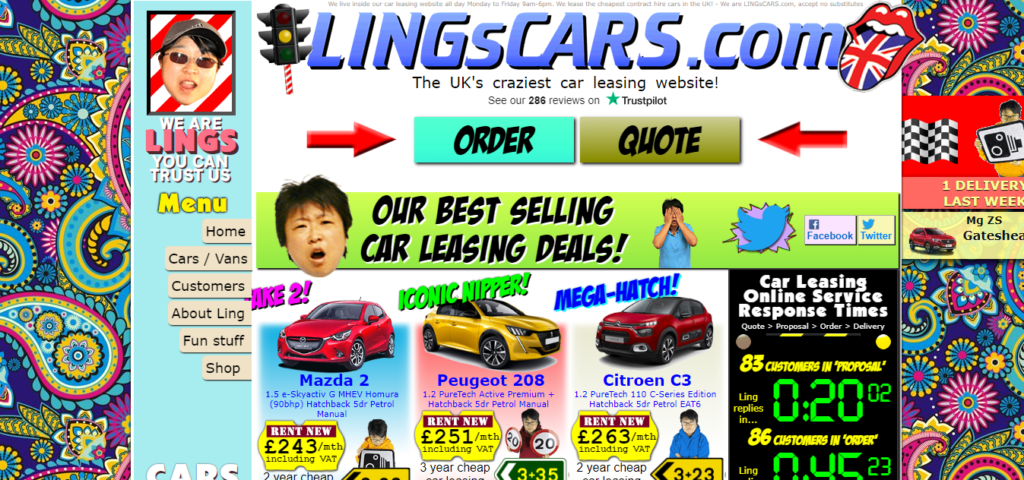
1. Ling’s Cars

companies-with-bad-websites

Ling’s Cars is a UK-based car leasing company that claims to be the “UK’s craziest car leasing website.” However, crazy is not always good when it comes to web design services. Ling’s Cars website is a chaotic mess of bright colors, flashing GIFs, loud music, and random information. The website looks like a parody of a bad website, but it is real.
The website is so cluttered and distracting that it is hard to find what you are looking for. The navigation menu is hidden behind a button that says “menu,” which is easy to miss among the other elements on the page. The website also has a lot of irrelevant content, such as Ling’s blog, videos of her singing karaoke, and a live chat feature that pops up randomly.

The website fails to communicate the value proposition of the company and does not inspire trust or confidence in the visitors. The website also has a lot of accessibility issues, such as low contrast, small fonts, and lack of alt text for images.

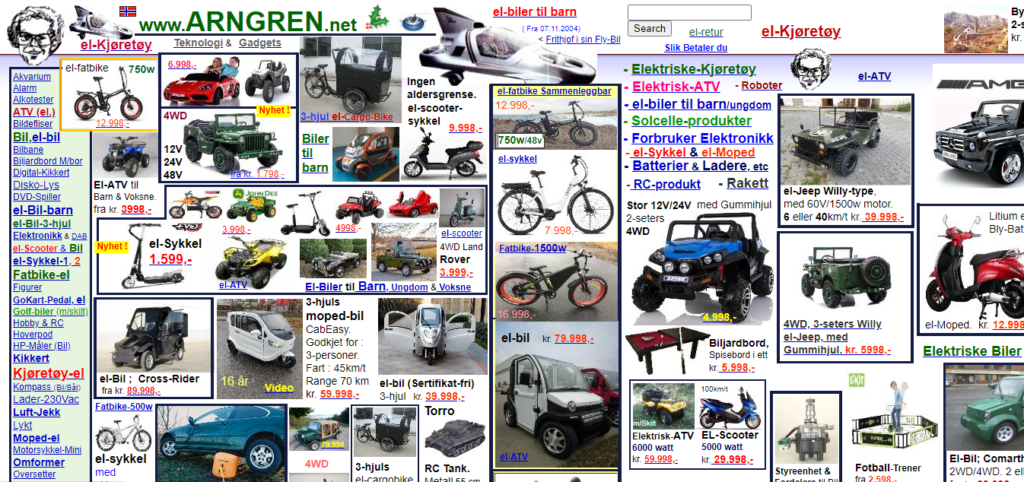
2. Arngren

companies-with-bad-websites

Arngren is a Norwegian online store that sells various products, such as electronics, gadgets, toys, and clothing. However, the website looks like it was designed in the 90s and has not been updated since then. The website has a very unprofessional and amateurish appearance, with low-quality images, pixelated fonts, and inconsistent layout.

The website is also very confusing and hard to navigate. The homepage has no clear hierarchy or structure and displays hundreds of products randomly. The products are not categorized or filtered and have no descriptions or prices. The website also has a lot of broken links and errors.

The website does not provide any information about the company, its policies, or its contact details. The website also has no security features or trust badges to assure the visitors that their transactions are safe and secure.

3. Yahoo

companies-with-bad-websites

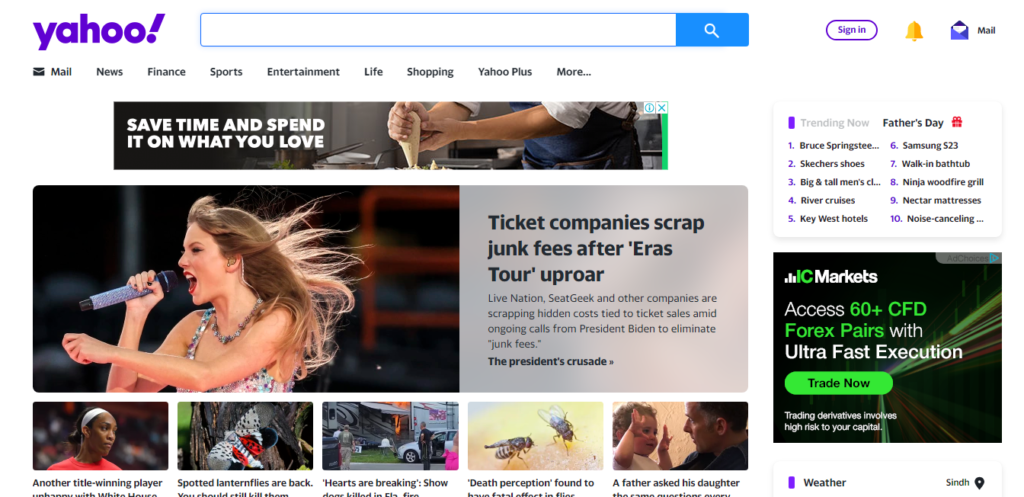
Yahoo is one of the oldest and most popular web portals. However, the website has not aged well and has lost its relevance and appeal over the years. The website suffers from information overload and a lack of focus. The homepage tries to cover too many topics and features simultaneously, such as news, sports, entertainment, finance, mail, search, weather, horoscope, and more.

The website also has a lot of ads and sponsored content that clutter the page and interfere with the user experience. The website does not have a clear identity or purpose and does not offer any unique value to the visitors. The website also has a dated and dull design that does not reflect the current trends and web design standards.

4. Yale School of Art

companies-with-bad-websites

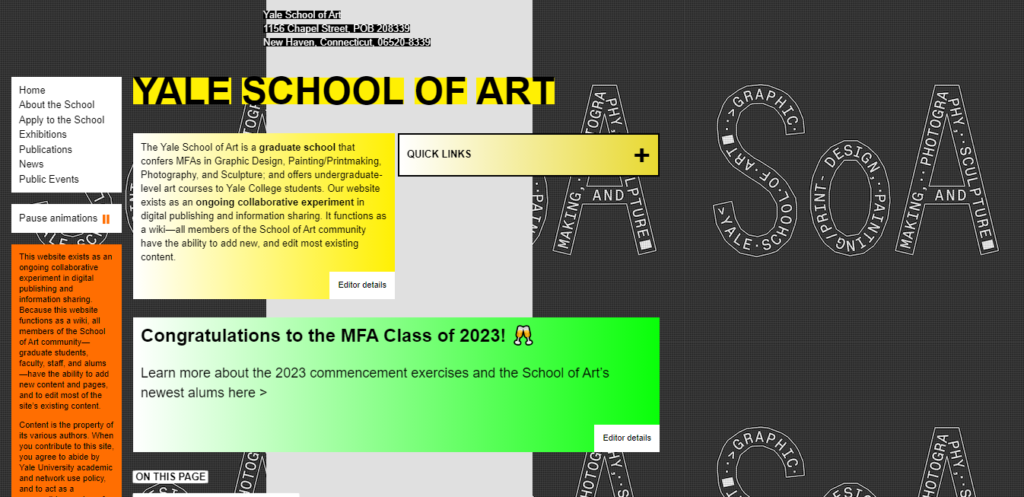
Yale School of Art is one of the most prestigious art schools in the world. However, the website does not reflect the quality and reputation of the institution. The website has a bizarre and experimental design that makes it hard to use and understand. The website uses a lot of unconventional elements, such as random shapes, colors, animations, fonts, and layouts.

The website also has a lot of usability issues, such as poor navigation, broken links, missing images, and slow loading time. The website does not provide clear information about the school, its programs, its faculty, or its admissions process. The website also does not showcase the students’ work or achievements.

The website seems more focused on being artistic than being functional or informative. However, art should not come at the expense of user experience or communication.

5. Simcast

companies-with-bad-websites

Simcast is a company that provides live-streaming services for sports, entertainment, and news.

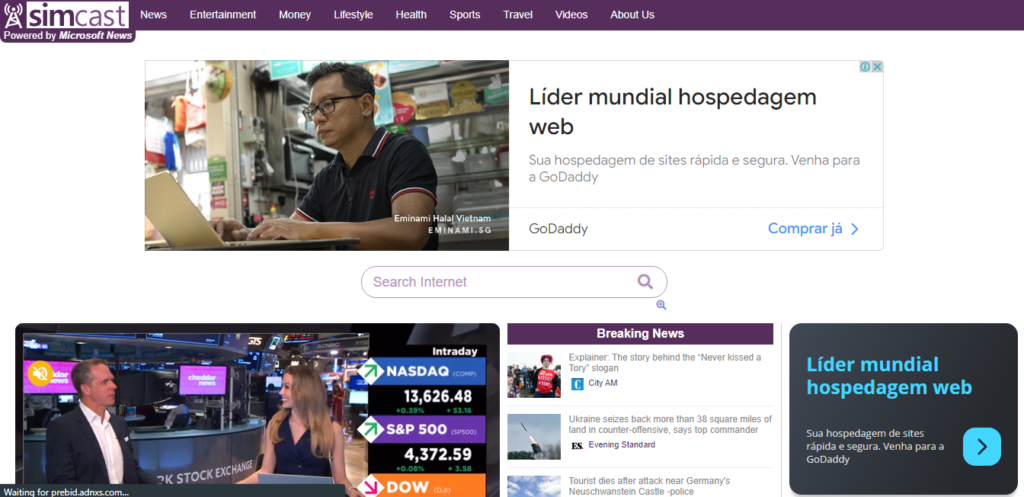
However, their website looks like it was made in the 90s, with outdated graphics, fonts, and colors. The layout is cluttered and confusing, with too many links and buttons competing for attention.

The navigation is poor, with no clear hierarchy or categories. The content is vague and uninformative, with no clear value proposition or call to action.

The website does not inspire trust or confidence in the quality of its services. Simcast is an example of a bad website that needs a major overhaul.

6. The Useless Web

companies-with-bad-websites

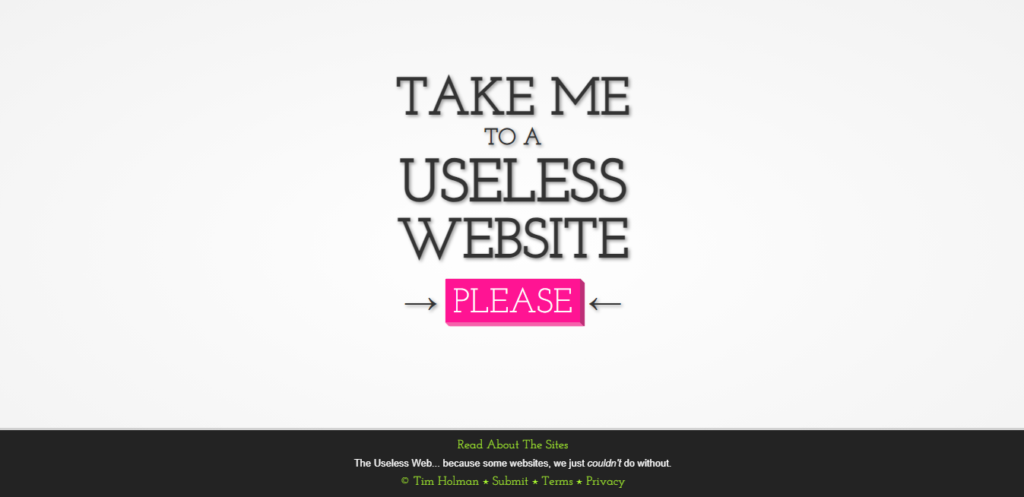
The Useless Web is a website that takes you to a random useless website every time you click on the “please” button. The website claims to be “the most pointless website ever,” and it is hard to argue. The website has no purpose or value other than wasting time and bandwidth.

Some of the useless websites that you might encounter include Endless Horse, which is a website that shows an infinitely long horse; Cat Bounce, which is a website that shows bouncing cats; and The Pigeon, which is a website that shows a pigeon and nothing else. The website has no design or functionality other than the button and the logo.

The website might be amusing for a few minutes, but it quickly gets boring and repetitive. The website also has no information about who created it or why.

7. Berkshire Hathaway Inc.

companies-with-bad-websites

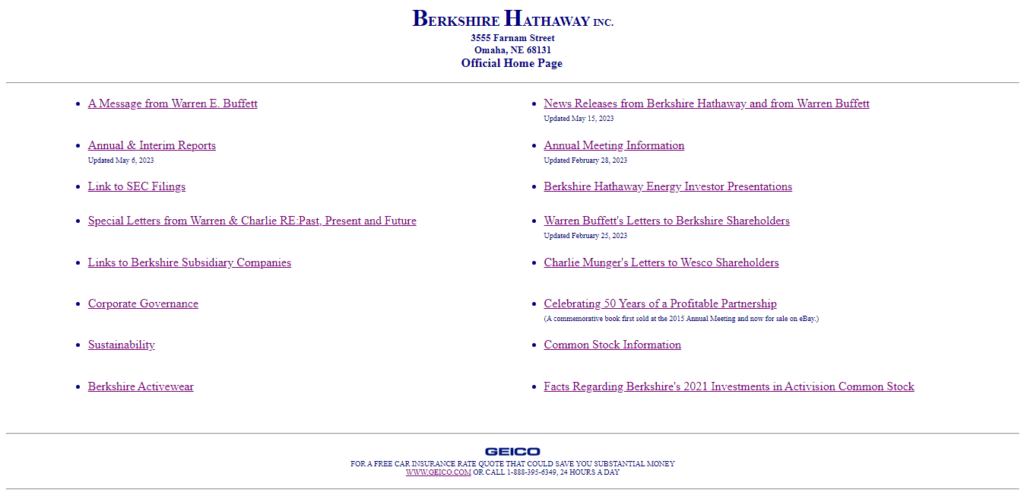
Berkshire Hathaway Inc. is one of the largest and most successful conglomerates in the world, led by the legendary investor Warren Buffett. However, the website does not reflect the company’s status or achievements. The website has a simple and plain design, with a white background, blue text, and no images or graphics.

The website looks like it was made in the early days of the Internet and has not been updated since then. The website has no branding or identity and does not showcase the company’s products, services, or values. The website also does not have any interactive features or social media links.

The website might be intentionally minimalist and modest to reflect Buffett’s philosophy and personality. However, the website does not communicate the company’s vision or mission or engage or inform the visitors.

8. IMDb

companies-with-bad-websites

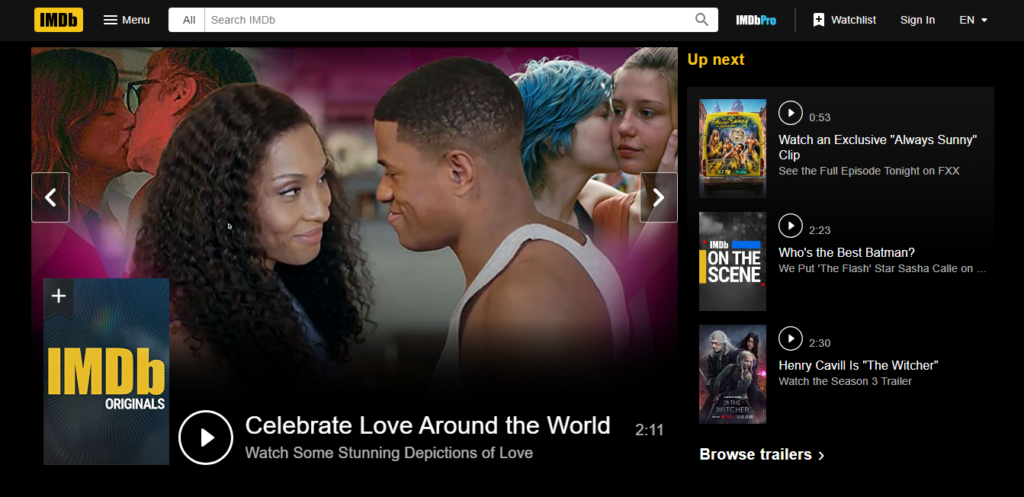
IMDb is one of the most popular and authoritative sources of information about movies, TV shows, celebrities, and entertainment news. However, the website has a lot of room for improvement regarding web design. The website has a cluttered and outdated design, with many ads, banners, pop-ups, and widgets.

The website also has a lot of content and features that are not well organized or categorized. The website does not have a clear hierarchy or structure which makes it hard to find what you are looking for. The website also has a lot of usability issues, such as slow loading time, broken links, and inconsistent layout.

The website could benefit from a more modern and sleek design that enhances the user experience and showcases the content better. The website could also use more personalization and customization options for the visitors.

9. MIT Center For Advanced Visual Studies Special Collection

companies-with-bad-websites

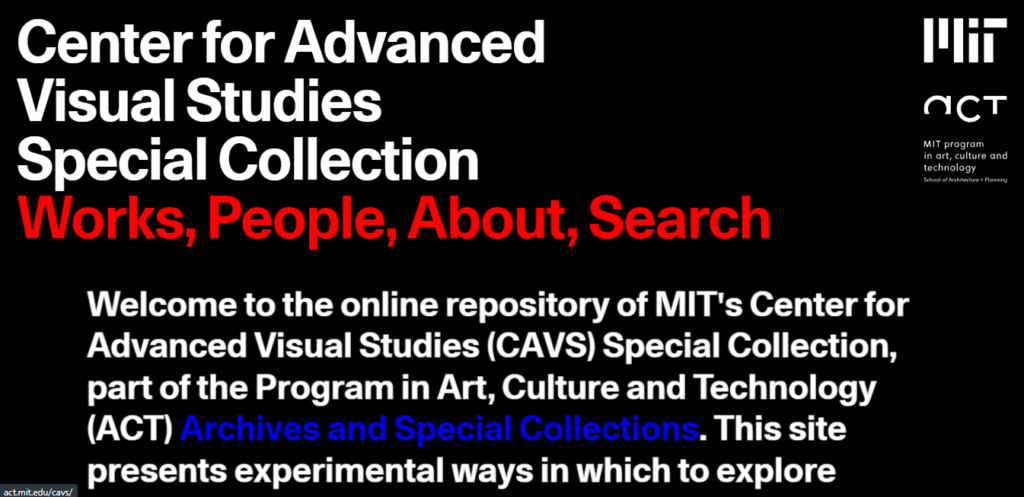
MIT Center For Advanced Visual Studies Special Collection is a website that archives and displays artists’ work affiliated with the MIT Center for Advanced Visual Studies (CAVS) from 1967 to 1998. The CAVS was a pioneering research center that explored the intersection of art, science, technology, and the environment. However, the website does not do justice to the legacy and innovation of the CAVS.

The website has a very poor and confusing design that makes it hard to use and understand. The website uses a lot of unconventional elements, such as random shapes, colors, animations, fonts, and layouts. The website also has a lot of usability issues, such as poor navigation, missing images, and slow loading time.

The website does not provide any clear information about the CAVS, its history, its goals, or its impact. The website also does not showcase the artists’ work in an appealing or accessible way.

10. Lipton

companies-with-bad-websites

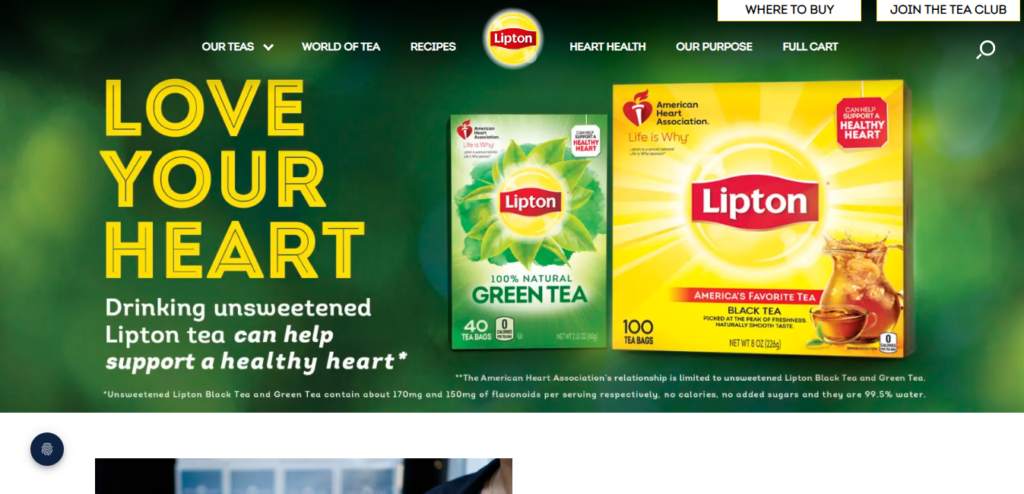
Lipton is one of the most well-known and popular tea brands in the world. However, the website does not reflect the quality and variety of the products. The website is bland, with a beige background, brown text, and no images or graphics.

The website has no branding or identity and does not showcase the benefits or features of the tea. The website also does not have any interactive features or social media links. The website does not provide any information about the company, its history, its values, or its sustainability efforts.

The website could benefit from a more colorful and vibrant design that matches the personality and diversity of the tea. The website could also use more content and features that engage and inform the visitors, such as recipes, stories, quizzes, or videos.

I hope you enjoyed reading this article and learned something new. If you want to create a better website for your business, you can use some of these tips:

  • Use a clear and consistent layout and structure
  • Use high-quality images and graphics
  • Use contrast and hierarchy to highlight important elements
  • Use clear and concise content that communicates your value proposition
  • Use interactive features and social media links to engage your visitors
  • Use user testing tools to evaluate and improve your website

Thank you for your time and attention. Have a great day! 

What Is A Business Website? Its Types And Why You Need One

what-is-a-business-website

What is a business website?

A business website is a website that represents a company or an organization on the Internet. It is a digital platform that showcases the products, services, values, and mission of the business. A business website can also help the business to connect with potential customers, generate leads, increase sales, and build trust and credibility.

A business website is important for any business that wants to succeed in the digital age. According to a survey by Clutch, 71% of small businesses in the US have a website and 92% of those without a website plan to have one by the end of 2022.

A business website can help a business to:

  • Reach a wider audience: A business website can be accessed by anyone with an internet connection, regardless of their location, time zone, or device. This means that a business can reach more potential customers and expand its market share.
  • Showcase its products and services: A business website can display the features, benefits, and testimonials of its products and services in an attractive and engaging way. This can help to attract and retain customers, as well as to differentiate the business from its competitors.
  • Build trust and credibility: A business website can demonstrate the professionalism, expertise, and reputation of the business. It can also include social proof, such as customer reviews, ratings, awards, certifications, and media coverage, to enhance the credibility and authority of the business.
  • Generate leads and sales: A business website can include calls to action, such as contact forms, email subscriptions, online chats, or buttons to buy or book online. These can help to capture the interest and information of visitors and convert them into leads or customers.
  • Provide customer service and support: A business website can offer various ways for customers to get in touch with the business, such as phone numbers, email addresses, social media links, or chatbots. It can also provide useful information, such as FAQs, guides, tutorials, or blogs, to answer common questions and solve problems.

Types Of Business Websites

There are different types of business websites that serve different purposes and goals. Some of the most common types are:

  • Brochure website: A brochure website is a simple and static website that provides basic information about the business, such as its name, logo, slogan, contact details, and location. It is usually composed of a few pages, such as the home page, about page, services page, and contact page. A brochure website is suitable for small businesses that want to establish an online presence and provide essential information to their customers.
  • E-commerce website: An e-commerce website is a dynamic and interactive website that allows customers to browse, compare, and purchase products or services online. It usually includes features such as product catalogs, shopping carts, checkout systems, payment gateways, and order tracking. An e-commerce website is suitable for businesses that sell physical or digital goods online and want to increase their sales and revenue.
  • Portfolio website: A portfolio website is a creative and visual website that showcases the work and skills of a professional or a company. It usually includes features such as galleries, sliders, videos, testimonials, and case studies. A portfolio website is suitable for businesses that offer creative services or products, such as photography, graphic design, and web design.
  • Blog website: A blog website is an informative and engaging website that publishes regular articles or posts on a specific topic or niche. It usually includes features such as categories, tags, comments, and social media sharing. A blog website is suitable for businesses that want to share their knowledge, expertise, and opinions with their audience, as well as to drive traffic and generate leads.
  • Landing page website: A landing page website is a focused and persuasive website that aims to convince visitors to take a specific action, such as signing up for a newsletter, downloading a free ebook, or registering for a webinar. It usually includes features such as headlines, subheadings, bullet points, images, videos, testimonials, and forms. A landing page website is suitable for businesses that want to promote a single offer or campaign and increase their conversions.

Conclusion

A business website is a vital tool for any business that wants to succeed in the online world. It can help the business to reach more customers, showcase its products and services, build trust and credibility, generate leads and sales, and provide customer service and support.

Depending on the purpose and goal of the business, there are different types of business websites that can be created, such as brochure websites, e-commerce websites, portfolio websites, blog websites, and landing page websites.

A business website should be designed and developed with the target audience, the brand identity, and the user experience in mind. A business website should also be optimized for search engines, mobile devices, and speed to ensure its visibility, accessibility, and performance.

By creating a business website that meets these criteria, a business can achieve its online objectives and grow its online presence. And our web design services can help you with that!

10 Affordable Web Design Companies For A Magical Project

In today’s digital age, having a strong online presence is crucial for businesses of all sizes. A well-designed website serves as a virtual storefront, a powerful tool to attract customers, showcase products or services, and establish credibility. However, for many businesses, especially those operating on a tight budget, investing in web design services can seem like a daunting expense. This is where affordable web design companies come to the rescue.

Importance of affordable web design for businesses

Affordable web design is pivotal in helping businesses create stunning websites while staying within their financial means. It enables entrepreneurs, startups, and small businesses to compete on a level playing field with larger, more established organizations. By offering cost-effective solutions, these web design companies make it possible for businesses to establish a professional online presence without breaking the bank.

An affordable website not only enhances a business’s credibility but also serves as a powerful marketing tool. It enables businesses to communicate their brand identity effectively, showcase their products or services, and engage with their target audience. A well-designed website can significantly impact customer perception, leading to increased trust, customer acquisition, and revenue growth.

Overview Of The Article’s Purpose

In this article, we will explore the top 10 affordable web design companies that offer exceptional services for creating stunning websites on a budget. We aim to provide valuable insights and guidance for businesses seeking cost-effective web design solutions. We will delve into various factors that businesses should consider when choosing a web design company, such as the quality of design services, pricing and packages, and customer support.

Moreover, we will present an overview of each of the top 10 affordable web design companies, highlighting their services, pricing structures, and notable features. By providing a comprehensive overview, we aim to help businesses make informed decisions when selecting the right web design partner.

Additionally, we will showcase real-life case studies featuring success stories from businesses that have benefited from affordable web design services. These case studies will illustrate the impact of a well-designed website on its online presence, customer engagement, and business growth.

Factors to Consider When Choosing Affordable Web Design Companies

When it comes to choosing an affordable web design company, there are several crucial factors that businesses should consider. While affordability is important, it should not come at the expense of quality and effectiveness. By carefully evaluating these factors, businesses can ensure they select a web design company that delivers exceptional results while staying within their budget. Here are some key factors to consider:

Quality of Design Services:

The primary objective of a web design company is to create visually appealing and functional websites. It is essential to assess the quality of their design services by reviewing their portfolio of previous projects. Look for websites that resonate with your desired aesthetic and showcase a high level of professionalism. Additionally, read client testimonials and reviews to gauge their satisfaction with the design services provided.

Pricing and Packages:

Affordability is a significant consideration, but it is equally important to understand the pricing structures and packages offered by web design companies. Compare the costs and features of different packages to determine which one aligns best with your budget and requirements. Consider whether they offer flexible payment or customization options to tailor the package to your needs.

Customer Support and Communication:

Effective communication and responsive customer support are essential for a smooth and successful web design project. Evaluate the company’s communication channels and response times for inquiries and requests. A reliable web design company should provide timely updates, address concerns promptly, and offer ongoing support even after the website is launched. Look for indications of their commitment to customer satisfaction.

Expertise and Experience:

Assess the expertise and experience of the web design company in your industry or niche. Understanding your specific business needs and target audience can greatly enhance the website’s effectiveness. Consider the company’s track record, the number of years they have been in business, and their knowledge of current design trends and technologies. An experienced web design company will likely deliver a website that meets your objectives.

Customization and Scalability:

Every business has unique requirements and goals. Ensure the web design company offers customization options to tailor the website to your needs. Consider whether they can accommodate future growth and scalability by incorporating features such as e-commerce functionality, content management systems, or responsive design for mobile devices. A scalable website will save you from the hassle and expense of redesigning it as your business expands.

SEO and Digital Marketing Capabilities:

A well-designed website should look great, be optimized for search engines, and be equipped with digital marketing capabilities. Inquire about the company’s knowledge of search engine optimization (SEO) techniques, which will impact your website’s visibility in search results. Additionally, consider whether they offer additional digital marketing services such as content creation, social media integration, or online advertising to enhance your online presence.

By carefully considering these factors, businesses can make an informed decision when choosing an affordable web design company. Prioritizing quality, effective communication, customization options, and expertise will ensure that you receive a visually stunning and functional website that aligns with your budget and drives the desired results for your business. Remember, affordability should never mean compromising on the quality and effectiveness of your online presence.

Top 10 Affordable Web Design Companies

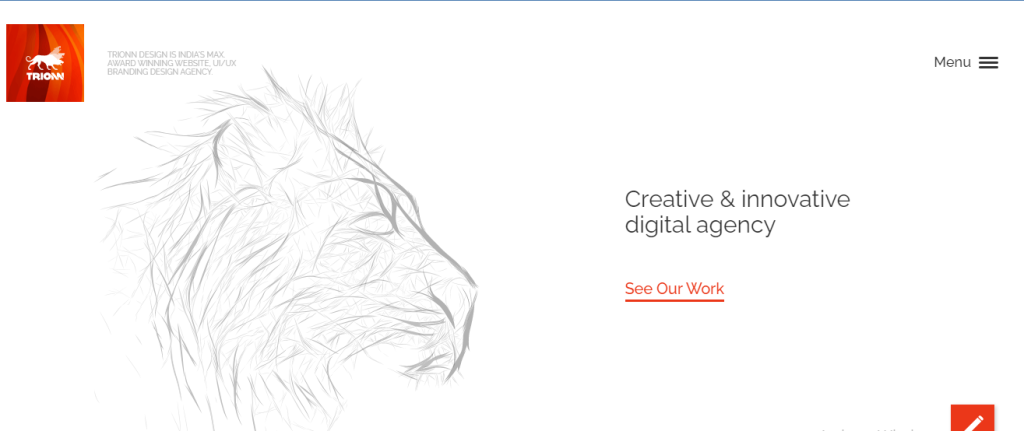
1. Trionn Design

trionn-design

Services: Design, Development, E-commerce, UI/UX design, Video Production
Started Services In Year: 2012
Minimum Project Price: $1000
Avg. Hourly Rate: $20 – $25 

Trionn Design is an Indian-based affordable web design company. Having its roots in Gujarat, this phenomenal company is known all over the world for its exceptional services and affordable prices.

Trionn has more than 50 awards to his name. D’ Nominees’s Site of the Day, Awwwards’s honorable mention, A Design’s Silver Trophy, just to name a few.

You can have a look at their mind-blowing portfolio on the home page of their official website.

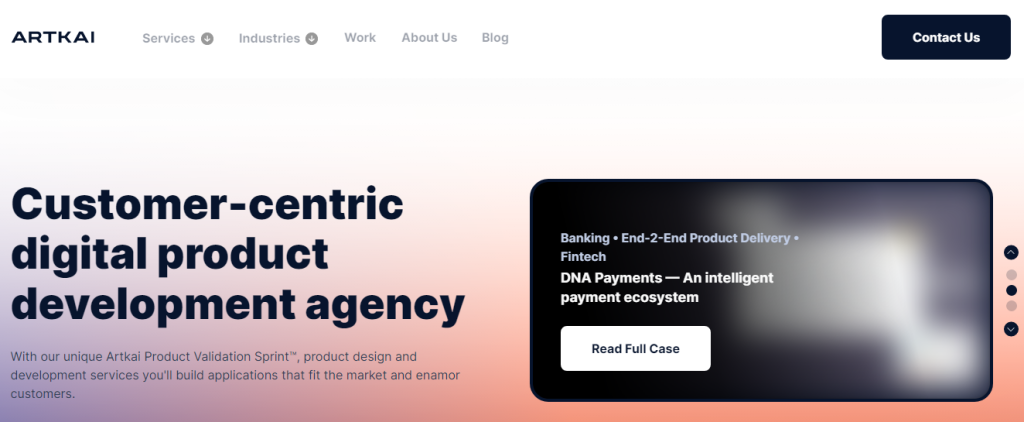
2. Artkai

artkai

Services: End-to-end product delivery, Product Design & Strategy, WEB3 Solutions, Enterprise Applications
Started Services In Year: 2016
Minimum Project Price: $10,000
Avg. Hourly Rate: $45 – $60

Artkai is a Ukraine-based company that serves customers from all around the world. They are a remote team that doesn’t seem so remote. 

Their exceptional work in the industry has won them many rewards. Such as Clutch’s 1000 Global Company Award, TopDeveloper’s Top UX/UI Design Company 2023, Top B2B Services Ukraine Award, and many more.

Artkai is not limited to UX/UI designs only. Their talented team is constantly working in different industries like WEB3 solutions, Application Development, etc  

Starting from an UpWork-based small company to one of the best global web design companies, Artkai has come a long way. 

3. MarsMedia

Services: Web Design, Branding, and Search Engine Optimization
Started Services In Year: 2004
Minimum Project Price: N/A
Avg. Hourly Rate: Depends on the project

Mars pride themselves as problem solvers, lateral thinkers, and detail-loving digital martians. They are a Netherlands based digital agency with more than 15 years of experience. 

They have worked with world known companies like Solvo, Nobel Recruitment, Redevco, Ipsen, and many more.

4. GrayCyan 

Services: Web Design, Search Engine Optimization, and Web Development
Started Services In Year: 2018
Minimum Project Price: $1000
Avg. Hourly Rate: $25 – $48

GrayCyan claims to create award-winning unique customer experiences. GrayCyan’s main office can be found in Canada.

They have more than 4 years of experience, and in these 4 years, they have already achieved a lot of positive ratings. GrayCyan has an astonishing rating of 4.9 on Clutch.co. 

They have worked on 270+ projects having happy clients in all major industries. 

Their official website reflects their professionalism and expertise. You can look at their portfolio for a glimpse of the successful websites they have created. 

5. WebFX 

Services: Digital Marketing, Email Marketing, Voice Search Optimization, Website Design and Development.
Started Services In Year: 2018
Minimum Project Price: $500
Avg. Hourly Rate: Depends on the project.

WebFX is a US-based digital marketing agency operating and helping clients from around all over the globe.

Your website is not getting enough traffic? Or ROI is not worth it on your email campaigns? Your campaign is not generating enough leads? Or your website design is outdated and boring.

WebFX has answers to all your digital questions.

In a nutshell, you can call WebFX in any kind of digital inconvenience.

WebFX helped one of their clients decrease their PPC by 90% per lead. Which helped the company take off swiftly in the digital world. 

That’s what one of their clients had to say after their experience with WebFX:

“We are consistently bringing in qualified leads from online searches and can often be found on the first page of Google and other search engines for our target keywords. Since our engagement began with WebFX, we have significantly increased our online performance year over year.”

While talking about WebFX, we can’t ignore the brilliant fact that they have generated over 225,000 first-page rankings.

6. FATbit

Services: Search Engine Optimization, Web Development, and E-commerce Store Development
Started Services In Year: 2004
Minimum Project Price: $1000
Avg. Hourly Rate: $29 – $49

I can’t talk about affordable web design companies without including FATbit. These guys are one of the best in the business, and most importantly, their prices are not very scary. 

This Indian web design company has been mentioned in some of the world’s biggest blogs. Such as INC, Forbes, HUFFPOST, Business Insider, and The Telegraph.

Their clients’ list includes many popular names like TVF Play, My Cart, HCL, WTutor, and more.

Their users constantly applaud them for their phenomenal services on various rating platforms. By the time of writing this article, FATbit has 4.9 Stars on Clutch. 4.5 on GoodFirms, and 4.9 on Designer Rush.

7. Crowdspring

Services: Logo Design, Graphic Design, Marketing, and Web Design.
Started Services In Year: 2007
Minimum Project Price: $899
Avg. Hourly Rate: Depends on the plan you choose.

Crowdspring is another affordable web design company from the United States. Crowdspring has also earned a lot of mentions from top brands and blogs. Including Forbes, New York Times, The Wall Street Journal, and Chicago Tribune. Just to name a few.

Not only mentioned their hard work and dedication have exposed them to work with the world’s biggest brands, namely, Amazon, Microsoft, AliExpress, Starbucks, and many other big and small businesses.

8. JetUp Digital

Services: Product Development, Product Management, Startups, Web Development, and Mobile App Development
Started Services In Year: 2015
Minimum Project Price:
N/A
Avg. Hourly Rate: N/A

JetUp Digital is another Ukrainian website on this list. It is one of the most reliable web design companies. JetUp Digital is one of the top 100 award winners of software houses in Ukraine. 

They have 23 awards to their name, including, Awwwards, CSS Design Award, Ukrainian Design, Be Interaction, and many more.

Their services are the reason behind the success for a lot of top developing companies including SILK, Charlie!, YesMan,and Collab.

9. Kobe Digital

Services: Web Design and Development, Social Media Marketing, and Pay Per Click Advertising.
Started Services In Year: 2016
Minimum Project Price:
$1000
Avg. Hourly Rate:
$50 – $90

Kobe Digital has already gained a name in the web development industry. Their phenomenal website designs incite consumers to take action. Their charming portfolio is just an example of the kind of work they put into their projects.

They serve customers in all major industries, like, fashion, travel, corporations, food, accessories, etc.

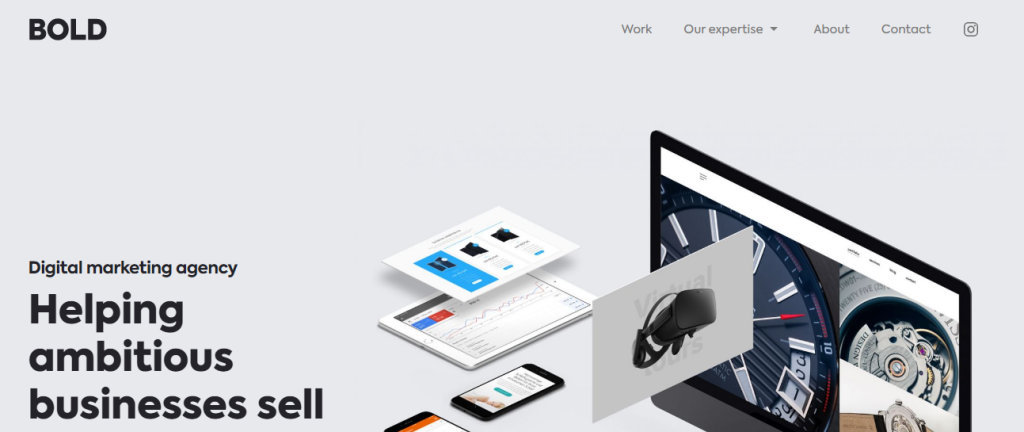
10. Bold

affordable web design companies

Services: Web Design, Branding, and Digital Marketing.
Started Services In Year: 2014
Minimum Project Price: $5000
Avg. Hourly Rate: $50 – $99

Last on the list has to be this New York’s favorite web design company. Bold promises high-quality and responsive websites at affordable prices. 

Having a chat is also free! So stop worrying and fill out the form to receive a call. Alternatively, if you’re not a call person, just hit them up via email, and they’ll assist you to recede your confusion. 

Apart from all that, they offer 24/7 support. In case of any inconvenience, call them, and be assured they will be on the same page in a blink of an eye.

So…These are the best and the most affordable web design services from all over the world. If you own a web design service and want your website to be listed here, reach us via email, and we’ll see if your website fits.

How To Find A Cheap Web Designer Without Sacrificing Quality

If you’re a small business owner, you know every penny counts. When it comes to your website, you want to get the best possible design without breaking the bank. But how do you find a cheap web designer without sacrificing quality?

Here Are A Few Tips:

cheap-web-designer

#1. Do your research.

Before you hire any web designer, be sure to do your research and compare prices. Check out the reviews and portfolios to understand the designer’s style and capabilities.

#2. Be clear about your needs.

When talking to potential designers, be clear about your needs and budget. This will help them to give you an accurate estimate.

#3. Don’t be afraid to negotiate.

Once you’ve found a designer you like, don’t hesitate to negotiate on price. Many designers will work with you to find a price that fits your budget.

#4. Consider using a template.

If you’re on a tight budget, consider using a template. There are many high-quality templates available that can be customized to fit your needs.

Do it yourself. If you’re on a tight budget, consider doing your web design. There are many resources available online that can help you to create a professional-looking website.

You can find cheap web design services without sacrificing quality by following these tips.

With a little effort, you can get a website that looks great and fits your budget.

Below are some additional tips that you should keep in your mind before you proceed to hire a cheap web designer:

  • Look for designers who offer package deals. This can save you money on design, development, and hosting.
  • Ask for referrals from friends, family, or colleagues. This is a great way to find a reputable designer who you can trust.
  • Be sure to get everything in writing, including the scope of work, the timeline, and the price. This will help to avoid any misunderstandings down the road.

With some research and planning, you can find a cheap web designer to create a website that meets your needs and budget.

Pros & Cons Of Hiring A Cheap Web Designer

cheap-web-designer

Pros

Here are some of the benefits of hiring a cheap web designer:

  • You can save money. As mentioned before, hiring a cheap web designer can save you significant money. This is especially important if you’re on a tight budget.
  • You can get a professional-looking website. Even though you’re hiring a cheap web designer, you can still get a professional-looking website. Many cheap web designers have years of experience and can create stylish and functional websites.
  • You can get a website that meets your needs. This is important if you have a unique business or if you need a website that does something specific. When you hire a cheap web designer, you can work with them to create a website that meets your particular needs.

Cons

Although only focusing on the word “cheap” can bring in a lot of catastrophes and adversities. Such as:

  • It’s important to remember that you get what you pay for. You may not get the best possible design if you hire a cheap web designer. This is because cheap web designers often have less experience and may need help to create websites as stylish or functional as those produced by more expensive designers.
  • Cheap web designers often need more time to spend with each client. This means that you may get a different level of customer service than you would from a more expensive designer.
  • You may not get a website that is search engine optimized. Search engine optimization (SEO) is essential for businesses that want to be found online. Cheap web designers often need to gain the expertise to create websites that are optimized for search engines. This means that your website may be found by something other than potential customers.

Here are some other things to consider when hiring a cheap web designer:

  • The designer’s portfolio — Please look at the designer’s portfolio to see examples of their work. This will give you a good idea of their style and capabilities.
  • The designer’s experience — How long has the designer been in business? Do they have experience designing websites for businesses like yours?
  • The designer’s communication skills — Can you communicate effectively with the designer? This is important because you’ll need to give them clear instructions and feedback.
  • The designer’s price — How much does the designer charge? Be sure to get a quote in writing before you hire them.

Following these tips, you can find a cheap web designer to create a website that meets your needs and budget. If you need further help, turn your fact to this article for more detailed information

Scroll to Top