Branding Graphic Designer: Here Why You Need One

If you are a business owner, you probably know how important it is to have a strong and consistent brand identity that reflects your values, mission, and vision. A brand identity is not just a logo or a slogan. And a Branding graphic designer helps you with that. 

A brand’s identity is a visual element system that communicates your message and personality to your target audience. But how do you create such a system? That’s where a branding graphic designer comes in. A branding graphic designer specializes in creating and developing brand identities for businesses and organizations. 

They use their skills in typography, color theory, layout, illustration, and other graphic design tools to create logos, icons, fonts, patterns, packaging, stationery, websites, social media graphics, and more. 

They also help to define the brand strategy, tone of voice, style guide, and other aspects of the brand identity.

A branding web design services can help you to:

  • Stand out from your competitors and attract your ideal customers.
  • Establish trust and credibility with your audience and stakeholders.
  • Increase awareness and recognition of your brand.
  • Create a consistent and memorable brand experience across all touchpoints.
  • Enhance customer loyalty and retention.
  • Boost your sales and revenue.

How To Find a Good Branding Graphic Designer?

branding-graphic-designer

To find a good branding graphic designer, look for the following signs.

Has An Impressive Portfolio

A good branding graphic designer should have a portfolio of relevant and impressive work that showcases their style, creativity, and versatility. 

Their portfolio should demonstrate their ability to create brand identities for different industries, markets, and audiences. You should look for examples of logos, icons, fonts, patterns, packaging, stationery, websites, social media graphics, and more that match your vision and expectations.

Understands Your Industry, Market, and Audience

A good branding graphic designer should have a solid understanding of your industry, market, and audience. They should be able to conduct research and analysis to identify your competitors, customers, and stakeholders. They should also be able to define your unique selling proposition, value proposition, and positioning statement. They should be able to create a brand identity that reflects your niche, differentiates you from your rivals, and appeals to your ideal customers.

Listens to Your Needs and Goals

A good branding graphic designer should listen to your needs and goals and ask the right questions to understand your vision and requirements. They should be able to communicate clearly and effectively throughout the process and provide feedback and suggestions. They should also be flexible and adaptable to accommodate any changes or revisions you request. They should be able to deliver a brand identity that meets or exceeds your expectations.

Delivers High-Quality Work on Time and Within Budget

A good branding graphic designer should deliver high-quality work on time and within budget. 

They should be able to manage their time and resources efficiently and effectively. 

They should also be able to use the latest tools and technologies to create stunning and functional brand identities. They should be able to provide you with all the necessary files and formats for your project. 

They should also be able to handle any issues or problems that may arise during or after the project.

Provides Feedback and Support After the Project is Completed

branding-graphic-designer

A good branding graphic designer should provide feedback and support after completing the project. 

They should be able to evaluate the results and outcomes of the project and measure its impact and success. 

They should also be able to provide you with any updates or maintenance that you may need for your brand identity. 

They should also be willing to establish a long-term relationship with you and work on future projects.

A branding graphic designer can be a valuable partner for your business’s growth and success. If you are looking for one, search online or seek referrals from your network. 

Alternatively, just use any search engine to find your project’s best branding graphic designer. Just type in your query, and you’ll see the most relevant and reliable results in front of your eyeballs.

10 Brand And Website Design For Your Inspiration (2023)

Brand and website design is an essential part of any business. It helps you stand out, communicate your values and personality, and attract ideal customers. A good brand and website design can also boost your credibility, increase your conversions, and enhance your user experience.

But how do you create a brand and website design that is both beautiful and effective? How do you balance aesthetics and functionality? How do you showcase your unique selling proposition and tell your story?

To help you get some inspiration, we have compiled a list of 10 brand and website design examples that we think are stunning and impressive. These examples cover different industries, styles, and goals, but they all have one thing in common: they are designed with purpose and passion.

Let’s look at them and see what we can learn from them.

brand-and-website-design

1. Airbnb

Airbnb is a well-known online marketplace that connects travelers with local hosts who offer accommodation and experiences. Their brand and website design reflects their mission of creating a world where anyone can belong anywhere.

The logo is a simple but memorable symbol representing four concepts: people, places, love, and Airbnb. The color palette is warm and inviting, with shades of pink, purple, orange, and yellow. The typography is modern and friendly, with a custom font called Airbnb Cereal.

The website is clean and intuitive, with large images, clear navigation, and easy-to-use filters. The homepage features a powerful headline that invites users to explore new possibilities. The content is engaging and informative, with stories from hosts and guests, tips and guides, and social proof.

Airbnb’s brand and website design is a great example of creating a consistent and cohesive identity that expresses your vision and values.

2. Slack

Slack is a popular online platform that enables team collaboration and communication. Their brand and website design showcases their fun and playful personality, as well as their functionality and versatility.

The logo is a colorful hashtag that represents the idea of connecting people and channels. The color palette is bright and vibrant, with shades of blue, green, yellow, red, and purple. The typography is bold and quirky, with a custom Slack Circular font.

The website is lively and dynamic, with animations, illustrations, and icons. The homepage features a catchy headline that highlights the benefits of using Slack. The content is concise and persuasive, with testimonials, case studies, and statistics.

Slack’s brand and website design is a great example of creating a distinctive and memorable identity that appeals to your target audience.

3. Spotify

Spotify is a leading online platform that provides music streaming and podcasting services. Their brand and website design reflects their passion for music and culture.

The logo is a simple but recognizable green circle with three black sound waves. The color palette is dark and moody, with shades of black, gray, green, and white. The sleek and elegant typography, with a custom font called Spotify Circular.

The website is stylish and sophisticated, with stunning images, videos, and graphics. The homepage features a captivating headline that invites users to discover new music. The content is curated and personalized, with playlists, recommendations, charts, and genres.

Spotify’s brand and website design is a great example of creating a sleek and sophisticated identity showcasing your product and service.

4. Mailchimp

Mailchimp is a popular online platform that provides email marketing and automation tools. Their brand and website design expresses their creativity and humor.

The logo is a cute but clever monkey head with a mail envelope for an ear. The color palette is cheerful and optimistic, with shades of yellow, orange, blue, and white. The typography is whimsical and expressive, with a custom font called Cooper Light.

The website is colorful and quirky, with illustrations, animations, and icons. The homepage features a witty headline that highlights the value proposition of Mailchimp. The content is friendly and helpful, with guides, resources, and examples.

Mailchimp’s brand and website design is a great example of creating a creative and humorous identity that differentiates you from your competitors.

5. Netflix

Netflix is a dominant online platform that provides video streaming services. Their brand and website design reflects their quality and variety of content.

The logo is a simple but powerful red wordmark with a custom font called Netflix Sans. The color palette is minimalistic and elegant, with black, red, and white shades. The typography is crisp and clear, with a sans-serif font called Gotham.

The website is sleek and user-friendly, with large images, smooth transitions, and easy-to-use menus. The homepage features a compelling headline that entices users to sign up for a free trial. The content is diverse and engaging, with genres, categories, recommendations, and ratings.

Netflix’s brand and website design is a great example of creating a minimalistic and elegant identity that showcases your quality and variety of content.

6. Nike

Nike is a global leader in sports apparel, footwear, and equipment. Their brand and website design embodies their spirit of innovation and excellence.

The logo is an iconic swoosh representing movement, speed, and energy. The color palette is bold and confident, with shades of black, white, red, and blue. The typography is strong and assertive, with a custom Nike Bureau font.

The website is dynamic and inspiring, with stunning images, videos, and stories. The homepage features an empowering headline that motivates users to pursue their goals. The content is relevant and informative, with products, collections, services, and events.

Nike’s brand and website design is a great example of creating a bold and confident identity that embodies your spirit of innovation and excellence.

7. Shopify

Shopify is a leading online platform that enables anyone to create an online store and sell their products. Their brand and web design services reflect their mission of improving commerce for everyone.

The logo is a simple but clever green shopping bag with an S-shaped handle. The color palette is fresh and friendly, with shades of green, blue, gray, and white. The typography is modern and clean, with a custom font called Shopify Sans.

The website is bright and inviting, with beautiful images, illustrations, and icons. The homepage features an inspiring headline encouraging users to start their businesses. The content is clear and helpful, with features, benefits, examples, and support.

Shopify’s brand and website design is a great example of how to create a fresh and friendly identity that reflects your mission of making commerce better for everyone.

8. Apple

Apple is a giant in technology products such as iPhone, iPad, iMac, and more. Their brand and website design showcases their elegance and simplicity.

The logo is an apple with a bite mark. The color palette is minimalistic and sophisticated, with black, white, silver, and gold shades. The typography is smooth and refined, with a San Francisco custom font.

The website is minimalistic and sophisticated, with images, videos, and graphics. The homepage features a headline that introduces the latest product. The content is simple and informative, with features, specifications, and prices.

Apple’s brand and website design is a great example of creating a minimalistic and sophisticated identity that showcases elegance and simplicity.

9. Starbucks

Starbucks is a world-famous coffee company. Their brand and website design expresses their passion for quality coffee.

The logo is a green siren that symbolizes the heritage of coffee. The color palette is warm and inviting, with shades of green, brown, and white. The typography is classic and cozy, with a custom font called Sodo Sans.

The website is warm and inviting, with images, stories, and icons. The homepage features a headline that welcomes users to join the rewards program. The content is delicious and informative, with products, menus, recipes, and news.

Starbucks’ brand and website design is a great example of creating a warm and inviting identity that expresses your passion for quality coffee.

10. Lego

Lego is a beloved toy company. Their brand and website design celebrates their creativity and fun.

The logo is a red wordmark with rounded letters. The color palette is colorful and playful, with shades of red, yellow, blue, green, and white. The typography is funny and friendly, with a custom font called Lego Thick.

The website is colorful and playful, with images, animations, and games. The homepage features a headline that invites users to explore the Lego world. The content is funny and engaging, with products, themes, videos, and activities.

Lego’s brand and website design is a great example of creating a colorful and playful identity that celebrates your creativity and fun.

Final Words

I hope you enjoyed this blog post about 10 brand and website design for inspiration. You can contact one of the companies listed here if you need help creating your brand website design. They will assist you further in making your vision a reality. Thank you for reading!

Social Media Trends To Watch In 2023 and Beyond

Outline

The Rise of Social Media Influencers The Growing Popularity of User-Generated Content Increased Focus on Social Listening The Integration of Artificial Intelligence The Emergence of Live Streaming

The world of social media is constantly changing. Every year brings new trends, tools, and strategies for getting the most out of your presence on these platforms. As we look ahead to 2023 and beyond, it’s important to consider the latest trends in social media. From shifting platforms to emerging technologies, here are the most important trends to watch in social media going forward.

1. Artificial Intelligence (AI) and Machine Learning (ML): AI and ML are increasingly being used to power social media platforms. AI is enabling platforms to automate tasks such as content curation and moderation, personalization, and data analysis. ML can be used to identify user patterns and preferences in order to enhance experiences.

2. Augmented Reality (AR) and Virtual Reality (VR): AR and VR have the potential to revolutionize the way people interact with social media. From virtual photo filters and 3D avatars to virtual reality gaming, the possibilities are endless. As more social media platforms take advantage of these technologies, we can expect to see a bigger emphasis on immersive experiences.

3. Social Messaging Platforms: Messaging apps like WhatsApp and Telegram are becoming increasingly popular with social media users. These apps offer users a more private and secure way to communicate and share information. With the rise of these platforms, we can expect to see more private conversations taking place on social media.

4. Social Shopping: Social shopping is quickly becoming one of the most popular trends in social media. With the ability to instantly purchase items directly from a post or advertisement, consumers are quickly taking advantage of this new technology. This trend is likely to continue to gain popularity with more platforms embracing it, and social media influencers capitalizing on it.

5. Video Content: Video content is becoming increasingly popular on social media. From live streaming and vlogs, video content is one of the best ways to engage with your audience. As more users become comfortable with video content, we can expect to see an even bigger emphasis on it in the coming years. As we enter into 2023 and beyond, staying ahead of the trends in the social media landscape will become even more critical. With ever-evolving technology, keeping a finger on the pulse of the industry is essential for businesses looking to maximize their presence. Here are the top trends to watch in 2023 and beyond, that will help businesses and organizations stay ahead of the curve.

The Rise of Social Media Influencers

The growth of social media influencers and creators is continuing to skyrocket, and will be a trend to watch in 2023 and beyond. Many companies are now leveraging influencers to increase their visibility and reach potential customers in a more effective way. Businesses should focus on making meaningful connections with influencers, creating engaging content, and tracking performance metrics to measure the efficiency of their campaigns.

The Growing Popularity of User-Generated Content

The use of user-generated content will become an increasingly important part of businesses’ social media strategies. This type of content is often more compelling and relatable, and encourages customers to interact with brands in a positive way. Businesses should focus on creating campaigns that foster user engagement, and look for creative ways to leverage UGC in their social media strategies.

Increased Focus on Social Listening

Social listening is becoming increasingly important for businesses, as it helps them to understand their customers’ wants and needs in real-time. By monitoring customer feedback and conversations, businesses can get valuable insights on how they can improve their products and services. Focusing on social listening in 2023 and beyond can help businesses leverage their social media presence more effectively, and drive better customer engagement.

The Integration of Artificial Intelligence

AI is becoming increasingly prevalent in the social media landscape, and businesses should take advantage of its features to automate and streamline their processes. AI can be used to evaluate customer feedback and track performance metrics, so businesses can quickly and easily identify areas for improvement. AI can also be used to generate personalized recommendations or automated responses, streamlining customer service operations and increasing customer satisfaction.

The Emergence of Live Streaming

Live streaming is quickly becoming a popular way for businesses to communicate with customers and make announcements. Companies like Facebook and YouTube Live are making it easier for businesses to connect with their customers in a more meaningful way. Live streaming allows for a two-way dialogue in real-time, and businesses can use it to showcase their products, create interactive content, and drive customer engagement. By staying on top of these trends and leveraging them to their advantage, businesses can ensure they are always one step ahead of the competition. With a better understanding of the current trends in the social media landscape, businesses can maximize their presence online and create meaningful connections with their customers.

In the ever-evolving terrain of social media, staying up-to-date with the latest trends is essential for success in the competitive digital landscape. To stay ahead of the competition in 2023 and beyond, there are several key trends that organizations should keep a close eye on as they develop their strategies online. For starters, data-driven marketing will continue to be a hot topic in 2023 and beyond. With the rapid growth of AI-driven algorithms, businesses will need to become more focused on data-driven marketing strategies in order to optimize their online presence. Using data to gain insights into customer behavior and market trends will allow organizations to create highly personalized and targeted campaigns that meet customer needs and maximize ROI.

Another trend to watch is the emergence of voice-based marketing. With the proliferation of smart speakers, voice commands have become increasingly popular and businesses need to be aware of this key trend. By optimizing their content for voice search and creating marketing campaigns that target voice search queries, businesses can increase their visibility and reach customers in a more effective way.

Thirdly, video marketing will continue to be an effective and cost-effective way to engage customers and prospects. As video becomes more widely available and accessible, companies need to leverage the power of video to capture the attention of audiences. Live video streaming is quickly becoming an essential part of marketing strategies and organizations should seek to capitalize on this trend to increase their reach and visibility.

Finally, social media influencers will remain a powerful tool for businesses to engage with their target audiences. Organizations should actively seek out influencers that align with their brand values and create partnerships that will help promote their products and services in a meaningful and impact way.

How to Increase Email List and Subscribers

Outline

Techniques in Crafting Engaging Emails How to Keep Subscribers Attention Proven Strategies for Growing Your Email List Strategies for Capturing the Attention of Potential Subscribers Tips for Engaging Your Current Subscribers

Are you looking for tips on how to build an engaged email list that yields results? This blog post will provide proven strategies that will help you grow your email list, capture new subscribers, and engage your current subscribers. You’ll learn tactics to capture the attention of potential subscribers, how to write emails that encourage regular readership, and how to keep your subscribers’ attention. We’ll also discuss creative strategies to keep your email list buzzing with excitement. With these strategies, you’ll turn visitors.

Techniques in Crafting Engaging Emails

Social media has transformed the way that businesses interact with their customers More importantly, it’s also Email is a powerful tool used to communicate effectively and quickly to subscribers. It’s important that when crafting emails, they are engaging in order to promote the desired response from readers. Here we will look at ways of crafting engaging emails for your subscribers that will increase interaction and engagement.

One way to help ensure your message stands out is through creative subject lines. Utilizing interesting words or phrases can be helpful in getting people’s attention, as well as offering incentives such as discounts, freebies or exclusive offers that can also encourage people to open your emails.

Content should also be compelling and relevant; it should provide readers with something useful whether it’s educational or entertaining information about a certain topic or product related updates. Try using visuals like photos and videos which has been proven effective in increasing reader interest level compared with only text based content.

Additionally, including interactive elements such as polls, quizzes or surveys can get subscribers more involved in the message being conveyed without taking away from reading time spent on the email itself while still gathering valuable feedback from consumers about what type of content they prefer.

Finally, there are numerous strategies you can use for segmenting customers into targeted lists so you can tailor each email according to specific consumer needs/interests or geographic location helping achieve even better results than delivering one general mass email containing all topics which may not apply equally across all recipients By implementing these ideas into your next campaign you will have subscriber interaction and engagement levels sky rocket!

How to Keep Subscribers Attention

The primary objective of any successful blog post is to engage and retain subscribers An effective way to do this is by providing interesting content that keeps their attention, ensuring they stay active on the blog To make sure your readers stay engaged with your posts, here are a few helpful ideas for keeping subscriber’s attention

Utilize Engaging Content Formats – While written content will always be an important aspect of a blog post, other engaging formats like audio, visuals, and video can keep subscribers coming back for more Mix up the type of content you provide in each post so readers don’t become bored or overwhelmed by too much text-heavy material

Make Use Of Polls & Surveys – Inviting your audience to share their opinion through polls and surveys gives them a stake in what goes on in your blog while also adding necessary feedback that can help you improve future posts as well as measure reader engagement levels This type of interaction can result in higher subscription rates since it allows your users feel valued and heard which encourages them to come back frequently for updates

Focus On User Generated Content – Making use of user generated content (UGC is a great way to give readers something they can relate to , it offers relatable insights from fellow bloggers or influencers which can lead to improved engagement rates over time It also serves as proof of concept when used correctly , making potential subscribers trust that they won’t be wasting time with low-quality content made solely for marketing purposes

Encourage Subscribers To Share Their Thoughts – Allowing subscribers to share their thoughts about topics discussed adds another level of interactivity allowing deeper understanding amongst different members using real life insight s Reader interactions both publicly or privately via emails provides better customer experience alongside improved communication channels between yourself and subscribed customers , leading towards higher retention rates

Utilizing Live Streaming Events – If feasible creating live streaming events would increase competition within conversations sparking debates between opposing sides drawing out those related discussions further along while getting multiple opinions into one discussion at once greatly increasing interaction between all parties involved thus making the whole event worthwhile from beginning until end resulting into improving subscriber loyalty even more so than before !

Proven Strategies for Growing Your Email List

Are you looking for ways to expand your email list? Developing relationships with subscribers is vital for successful email marketing. It helps in establishing trust and authenticity, as well as encouraging user interaction with your content. But how can you create a warm connection that will keep them engaged and help grow your subscriber base?That’s exactly what this comprehensive guide covers! First off, let’s talk about the types of emails you should be sending regularly welcome messages; reminder emails; newsletters; transactional emails; promotional emails – all of these serve different purposes but must contain relevant information customized specifically for each recipient Additionally, segmentation strategies such as personalization tags or targeted offers/content may be useful in engaging subscribers more deeply with your message or brand identity.


There are other tools available too that can help increase communication frequency between subscribers such as auto-responders or automated follow-up sequences which take the burden off manual workflows while delivering timely personalized responses at scale without sacrificing quality control. Automating processes also ensures that no opportunities are lost due to manual errors or oversights – a critical factor when dealing with large volumes of data which may involve numerous customers interacting simultaneously on multiple channels or devices throughout their customer journey across web & mobile experiences.

Finally, providing incentives like discounts, giveaways etc, can further drive action from individuals without bogging down resources dedicated towards creating unique deals every month or quarter – allowing more focused efforts towards improving overall customer experience instead during peak traffic periods (ie holiday season etc.

By following these steps outlined in this comprehensive guide, businesses can ensure excellent interactions & engagements across their subscriber-base and unlock potential new revenue streams while increasing ROI from existing ones – making it easier than ever to keep users interested enough in signing up & sticking around long term!

Strategies for Capturing the Attention of Potential Subscribers

Establish relationships with your subscribers – One of the best ways to capture the attention of new and existing subscribers is to form a connection with them, so that they can feel as though you ‘get’ their needs Talk directly to your audience through blog posts, emails or social media updates and use humor if appropriate This will help build the trust necessary for long-term subscriber engagement

Create content for multiple platforms – When trying to capture attention from potential subscribers, it’s important to create content tailored for each platform in order to reach a wider network of people quickly and efficiently For example, try creating short videos specifically designed for Instagram Stories; podcasts that are easily downloadable on iTunes; or custom GIFs made especially for Twitter users etc Offer incentives – Giveaways are an effective way of rewarding loyal followers while enticing new ones at the same time! Consider offering small takeaway items such as ebooks or discounts in exchange for signing up or engaging with your content regularly — this may also serve as an incentive or reward current subscribers who have already registered

Make your message stand out – With so much content competing online these days it helps if you customize yours by adding some personality into it – this could be done through bold visuals, animations or even witty copywriting which will attract potential customers who are interested in what you have to offer Also by utilizing catchy headlines and meaningful calls to action buttons you can encourage readers/viewers/listeners topick up subscribe instead just scrolling past any given post

Promote effectively– Lastly make sure you are promoting your content in the most effective way possible. Using paid ads campaigns and working alongside influencers in order to drive traffic back to your subscribers page is another great resource But a link building campaign or event by event marketing methods can help increase the visibility of your audience base over the long run.

Tips for Engaging Your Current Subscribers

Subscribers are the lifeblood of any business, so it’s important to ensure they remain active and interested in your content The best way to do this is by finding ways to increase subscriber interaction and engagement There are several different methods that can be employed, such as creating compelling content, offering incentives for subscribers, or simply engaging with them on a personal level.

When writing blog posts or other interesting content for your subscribers, make sure the material is easy-to-read yet informative and entertaining You want them to get something meaningful out of their reading experience while also feeling engaged enough to take action afterwards Use calls-to-action at strategic points throughout the post – usually at its conclusion – which will encourage subscription activity such as leaving comments or sharing the post with others through social media channels.

Offer incentives for people who actively engage with your subscriber base – these could be discounts on products/services you offer, early access to new releases etcetera; anything that rewards those who interact more frequently than others will encourage further engagement from current subscribers while helping attract prospective ones into getting involved too! As part of this effort, you may even consider setting up giveaways within specific demographics, for instance, by holding competitions within universities or companies, in order to reach a wider audience quickly!

Engagement isn’t just about providing valuable content but giving potential customers a sense of connection. Build relationships through one-on-one conversations via direct messages or emails rather than relying solely on automated messages sent out en masse each day. This helps create a personally tailored approach, which speaks volumes compared to traditional marketing strategies often seen online. Conversations help build trust between customer and brand, resulting in increased sales figures over time!

Finally, don’t forget interaction can happen offline too. Organizing events like local meetups (limited depending upon COVID regulations), workshops, and conferences lets customers know there’s an actual person behind the brand. Reaching out directly is another great opportunity to boost long-term relationship building opportunities whilst increasing exposure simultaneously!

By following the proven strategies outlined in this blog post, you can easily grow your email list and engage your subscribers. The key strategies include ideas for enhancing subscriber interaction and engagement, offering incentives to join your mailing list, developing a consistent email schedule, and optimizing your emails for mobile. With these tips in mind, you have all the tools you need to build an effective emailing strategy that will be sure to keep your subscribers engaged and coming back for more!

Building Credibility and Strong Relationships in Your Niche

Outline

Maximizing Your Professional Expertise and Value to Potential Customers The Impact of Establishing Relationships on Business Success Tips to Help You Stay Credible and Build Relationships in Your Niche

This blog post will provide readers with a comprehensive guide to how to establish credibility and build strong relationships within their chosen niche. We’ll discuss the importance of having a strong online presence, ways to demonstrate expertise and value to potential customers, and why these relationships are so important for business success.

The Impact of Establishing Relationships on Business Success

Establishing credibility in your niche is an important step in business success. It involves creating trust with potential clients and customers, as well as ensuring that those already engaged are kept informed and supported on a consistent basis. Credibility can be achieved through the development of strong relationships, which in turn will lead to greater profitability over time.

Building relationships is essential for establishing credibility because it helps people become familiar with what you have to offer and allows them to make more informed decisions when choosing products or services from your company. By consistently providing excellent customer service, responding promptly to client inquiries, offering helpful advice, and tailoring solutions, these activities are key elements contributing towards building strong relationships with clients and customers alike.

As such, strengthening relationships should not only be seen as just another task but should also be considered an investment in the success of your business. Developing good communication skills can help maintain positive dialogue between you and those who engage with your brand, resulting in better engagement levels overall by forming a bond based on trust that grows over time.

Additionally, going above and beyond expectations for customer service by providing discounts or offers for loyal customers will encourage more people to do business with you, further helping to solidify these established connections even stronger, which eventually leads back towards increasing profits further down the line.

With all this said, establishing credibility in one’s niche requires persistency, consistency, and dedication. It takes some effort, but once done correctly, the benefits outweigh any costs associated with taking on this challenge from a long-term perspective. Relationship-wise, the impact of successfully establishing credible relationships is sure to very positively reflect itself

Maximizing Your Professional Expertise and Value to Potential Customers

As an entrepreneur or small business owner, it is vital to recognize the importance of trust when it comes to developing successful relationships with customers. By investing time in building trust with potential customers, you can create loyal customers who provide invaluable feedback and insight into your products and services. Additionally, trust can be a major factor in improving your bottom line, as customers who trust you are more likely to make repeated purchases.

The key to maximizing your professional expertise and value to potential customers is to clearly define and communicate your competitive edge. Understanding what sets your business apart from competitors can help create a strong impression on potential customers. A few simple strategies can help ensure that you are effectively showcasing your capabilities.

First, conducting market research is essential in order to better understand the needs and desires of potential customers. This can be done through surveys, interviews, and other forms of customer feedback. Using the data collected, you can develop strategies to better address customer needs and ensure that your services are competitive in quality and price.

Next, it is important to highlight the unique aspects of your business that differentiate it from competitors. Communicating your value proposition to potential customers can be done through various means, such as advertising, social media, and word-of-mouth.

Finally, demonstrating expertise requires a commitment to service and excellence. Investing in customer service practices such as efficient turnaround times and friendly representatives can help ensure that customers have a positive experience. Additionally, employing the latest technology, offering educational material, and fostering an open dialogue with customers can help to demonstrate that you are an authority in your field.

Tips to Help You Stay Credible and Build Relationships in Your Niche


The modern business era has seen the power of relationships become increasingly important. Establishing and maintaining credibility within your niche is essential for success, as customers are shifting towards digital marketing and social media for news and insights. Therefore, businesses must ensure that they are creating quality content and building strong relationships with their customers.

To accurately measure the success of your relationships with clients, here are a few tips:

1. Develop a customer feedback system that allows your clients to provide their honest opinion on your services.
2. Utilize customer surveys to assess the overall satisfaction of your services, while also gathering customer feedback on how to improve your services in the future.
3. Integrate social media channels into your customer relationship process, to help strengthen relationships and create a personal connection between your business and your customers.
4. Utilize email marketing campaigns to provide customers with timely updates and valuable content that they may find useful.
5. Keep track of customer interactions and measure customer satisfaction levels to ensure your team is providing the best possible service.

Moreover, there are various strategies businesses can use to strengthen their customer relationships. Here are some of the most effective ones:

1. Keep in touch with customers regularly by providing them with valuable information and updates.
2. Show customers that your team is genuinely interested in their opinions and feedback by responding to their queries in a timely manner.
3. Demonstrate to customers that the product or service they have purchased is worth their investment by providing them with tailored service offers.
4. Utilize customer loyalty programs and reward customers for their loyalty with special offers and discounts.
5. Celebrate customer milestones by sending them personalized gifts or providing them with exclusive discounts.

In conclusion, establishing credibility in any given niche requires consistency over time As long as one has dedicated themselves into building meaningful relationships by staying up-to-date on newsworthy topics around their area interest(s, participating actively at networking events/online groups related fields that they are passionate about plus collaborating more often than simply relying referrals then there is nothing stopping anyone from becoming highly respected authorities within their own circles soon enough!

15 Best Business Websites For Maximizing Online Success

New to online business? Well…good for you! Because I have compiled a list of the best business websites that are sure to help you in the business.

In this highly competitive digital landscape, having a strong online presence is vital for businesses of all sizes. A crucial aspect of establishing that presence is through a well-designed and functional website. 

In this article, we will explore an extensive list of business websites that can significantly contribute to the success and growth of your online venture. From e-commerce platforms and website builders to customer relationship management (CRM) tools and analytics platforms, we have curated a comprehensive selection to cater to various business needs.

Here’s a list of 15 essential websites that would be a great help in your online business journey:

E-commerce Platforms

best-business-websites

Shopify

Overview: Shopify is a leading e-commerce platform that empowers businesses to set up and manage online stores seamlessly.

Key Features: Customizable templates, secure payment gateways, inventory management, and robust analytics.

Benefits: User-friendly interface, scalability, extensive app integrations, and excellent customer support.

WooCommerce

Overview: WooCommerce is a popular WordPress plugin transforming websites into powerful e-commerce platforms.

Key Features: Seamless integration with WordPress, flexible product management, extensive customization options, and a vast plugin ecosystem.

Benefits: High degree of control, scalability, SEO-friendly structure, and easy integration with existing WordPress websites.

BigCommerce

Overview: BigCommerce offers an all-in-one solution for businesses of all sizes, providing a feature-rich e-commerce platform.

Key Features: Responsive themes, built-in marketing tools, multi-channel selling capabilities, and comprehensive analytics.

Benefits: Scalability, robust security, advanced SEO features, and seamless integration with third-party applications.

Website Builders

best-business-websites

Wix

Overview: Wix is a versatile website builder that empowers businesses to create stunning websites with its drag-and-drop interface.

Key Features: Extensive template collection, intuitive design tools, mobile responsiveness, and e-commerce functionality.

Benefits: Ease of use, visually appealing designs, SEO optimization, and reliable hosting infrastructure.

Squarespace

Overview: Squarespace is renowned for its visually appealing templates and intuitive interface, enabling businesses to create professional websites.

Key Features: Modern templates, built-in SEO tools, e-commerce functionality, and content management capabilities.

Benefits: Sleek and stylish designs, mobile responsiveness, reliable hosting, and 24/7 customer support.

Weebly

Overview: Weebly is a user-friendly website builder that offers a range of features, making it ideal for small businesses.

Key Features: Drag-and-drop builder, customizable templates, e-commerce functionality, and integrated marketing tools.

Benefits: Easy setup process, affordability, mobile optimization, and integrated blogging platform.

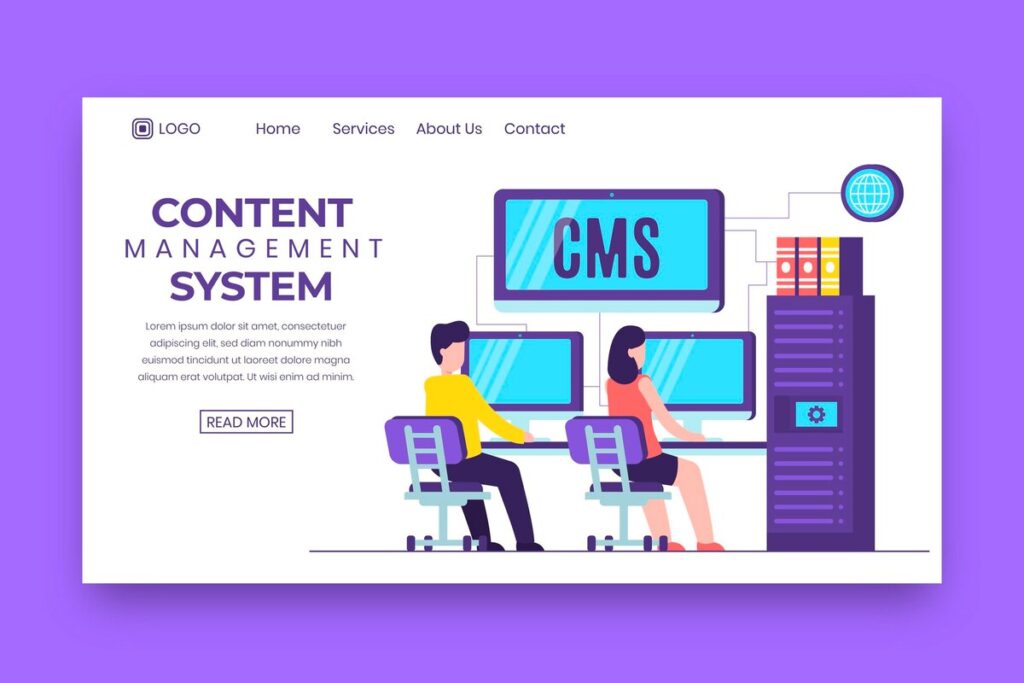
Content Management Systems (CMS)

best-business-websites

WordPress

Overview: WordPress is the most popular CMS globally, known for its flexibility, customization options, and extensive plugin ecosystem.

Key Features: Highly customizable, vast theme library, plugin availability, and intuitive content management capabilities.

Benefits: Flexibility for different website types, strong SEO capabilities, community support, and regular updates.

Joomla

Overview: Joomla is a powerful CMS that balances flexibility, ease of use, and robust features.

Key Features: Extensive template library, multilingual support, advanced user management, and granular access control.

Benefits: Scalability, strong community support, e-commerce capabilities, and flexibility for complex websites.

Drupal

Overview: Drupal is a highly customizable CMS known for its enterprise-level capabilities and strong security measures.

Key Features: Advanced content management, modular architecture, scalable for large websites, and excellent security features.

Benefits: High performance, flexibility for complex websites, robust user management, and extensive developer community.

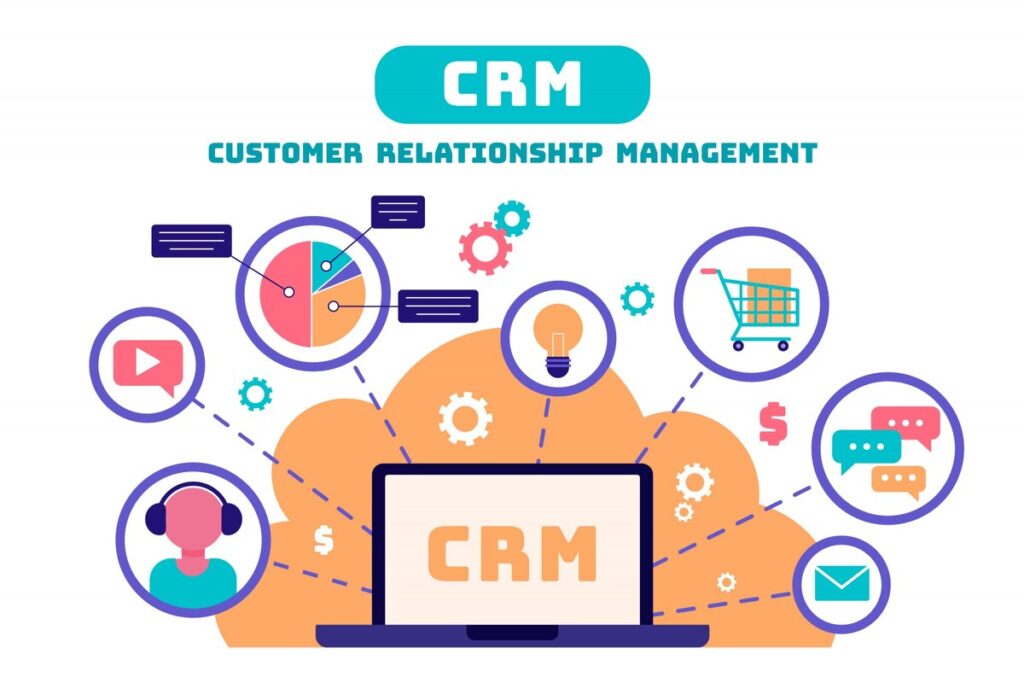
Customer Relationship Management (CRM) Tools

best-business-websites

HubSpot

Overview: HubSpot is a comprehensive CRM platform integrating marketing, sales, and customer service.

Key Features: Lead management, email marketing automation, customer support ticketing, and in-depth analytics.

Benefits: Centralized customer data, marketing automation, personalized customer experiences, and comprehensive reporting.

Salesforce

Overview: Salesforce is a leading CRM solution that offers a wide array of features for sales, marketing, and service automation.

Key Features: Lead management, opportunity tracking, email integration, sales forecasting, and customizable dashboards.

Benefits: Powerful sales automation, advanced analytics, extensive integrations, and scalability for businesses of all sizes.

Zoho CRM

Overview: Zoho CRM is an affordable CRM platform with a user-friendly interface designed for small to medium-sized businesses.

Key Features: Lead and contact management, sales pipeline tracking, email marketing automation, and social media integration.

Benefits: Easy to use, customizable workflows, seamless integration with other Zoho apps, and affordability.

Project Management Tools

best-business-websites

Asana

Overview: Asana is a versatile project management tool that allows businesses to organize tasks, collaborate, and track project progress.

Key Features: Task management, team collaboration, project timelines, file sharing, and integration with popular apps.

Benefits: Visual project tracking, real-time communication, centralized task management, and customizable workflows.

Trello

Overview: Trello is a popular project management tool known for its visual board interface and simplicity.

Key Features: Kanban-style boards, customizable cards, task assignments, due dates, and collaboration features.

Benefits: Easy-to-use interface, visual project overview, flexibility for various project management approaches, and integration capabilities.

Basecamp

Overview: Basecamp is a widely used project management and team collaboration tool that offers a centralized platform for task management, scheduling, and communication.

Key Features: To-do lists, file storage, messaging, project templates, and milestones.

Benefits: Simplified project management, streamlined team communication, document sharing, and email notifications.

Email Marketing Platforms

best-business-websites

Mailchimp

Overview: Mailchimp is an easy-to-use email marketing platform that allows businesses to create and send professional email campaigns.

Key Features: Email automation, customizable templates, audience segmentation, A/B testing, and detailed analytics.

Benefits: User-friendly interface, marketing automation capabilities, integrations with popular apps, and advanced reporting.

Constant Contact

Overview: Constant Contact is known for its user-friendly interface and robust email marketing features.

Key Features: Customizable templates, contact management, automated email series, event management, and social media integration.

Benefits: Easy email campaign creation, audience segmentation, event promotion, tracking tools, and reliable deliverability.

ConvertKit

Overview: ConvertKit is a powerful email marketing platform for creators and small businesses.

Key Features: Automation workflows, customizable signup forms, audience segmentation, and advanced reporting.

Benefits: Simplified automation, easy email sequence creation, user-friendly interface, and tailored content creators.

Social Media Management Tools

best-business-websites

Hootsuite

Overview: Hootsuite is a comprehensive social media management platform that enables businesses to schedule posts, engage with their audience, and analyze social media performance.

Key Features: Social media scheduling, social listening, content curation, team collaboration, and analytics.

Benefits: Centralized social media management, time-saving scheduling, real-time engagement, and detailed analytics.

Buffer

Overview: Buffer is an intuitive social media scheduling tool that helps businesses plan and publish content seamlessly across various social media channels.

Key Features: Social media scheduling, content calendar, analytics, and team collaboration.

Benefits: Easy content scheduling, post customization for each platform, content analytics, and team collaboration features.

Sprout Social

Overview: Sprout Social is a feature-rich social media management platform that offers engagement, publishing, and analytics tools to optimize social media strategies.

Key Features: Social media scheduling, message monitoring, social CRM, reporting, and team collaboration.

Benefits: Unified social media management, comprehensive analytics, customer engagement features, and robust reporting capabilities.

Analytics and Reporting Tools

best-business-websites

Google Analytics

Overview: Google Analytics is a widely used analytics tool that provides valuable insights into website traffic, user behavior, and conversion tracking.

Key Features: Website analytics, audience segmentation, conversion tracking, goal tracking, and custom reporting.

Benefits: Free-to-use, powerful data analysis, real-time reporting, and integration with other Google tools.

Adobe Analytics

Overview: Adobe Analytics is a robust analytics solution that offers in-depth data analysis and advanced reporting capabilities for businesses with more complex needs.

Key Features: Advanced analytics, segmentation, real-time reporting, predictive analytics, and data visualization.

Benefits: Comprehensive data analysis, advanced reporting options, and data-driven insights tailored to enterprise-level businesses.

Hotjar

Overview: Hotjar is a powerful user behavior analytics tool that provides heatmaps, session recordings, and feedback polls to understand and optimize website usability.

Key Features: Heatmaps, session recordings, conversion funnels, feedback polls, and surveys.

Benefits: Visualize user behavior, identify website optimization opportunities, gather user feedback, and improve conversion rates.

Benefits Of Using Business Websites

Increased Online Presence and Visibility

One of the key benefits of using a business website is increased online presence and visibility. 

A website allows your business to have a professional online presence that potential customers can easily find. By optimizing your website for search engines and using online marketing strategies, you can increase your visibility and reach a wider audience. 

A strong online presence can help you attract new customers, build brand awareness, and establish your business as a leader in your industry. 

Additionally, a website provides a platform for showcasing your products or services and engaging with customers through features such as online chat and contact forms.

Improved Customer Engagement and Interaction

Another benefit of using a business website is improved customer engagement and interaction.

A website provides a platform for engaging customers through features like online chat, contact forms, and social media integration. These tools allow you to communicate with customers in real-time and provide them with the information and support they need. 

A website also allows customers to interact with your business by leaving reviews, providing feedback, and sharing your content on social media. By engaging with customers through your website, you can build stronger relationships and improve customer loyalty.

Enhanced Credibility and Trust

A professional and user-friendly website builds credibility, instilling trust in potential customers and encouraging them to choose your business.

Increased Sales and Revenue

One of the most significant benefits of using a business website is the potential for increased sales and revenue.

A website provides a platform for showcasing your products or services and allows customers to purchase directly from your site. By offering a convenient and user-friendly online shopping experience, you can attract new customers and increase sales.

A website also provides opportunities for upselling and cross-selling through targeted marketing and personalized recommendations.

By leveraging the power of e-commerce and online marketing, a business website can help you drive sales and boost revenue.

Efficient Business Operations and Management

Utilizing the right business websites can streamline operations, automate processes, and improve collaboration, enhancing efficiency.

Factors To Consider When Choosing Business Websites

Pricing and Cost

When choosing a business website, one important factor to consider is pricing and cost. It’s important to find a website that fits within your budget while still providing the features and functionality you need. 

Some websites may offer a free trial or a low introductory price, but it’s important to consider the long-term costs. 

Additionally, it’s important to compare the pricing and features of different websites to ensure you’re getting the best value for your money. Read the fine print and understand any additional fees or charges that may apply.

Customization and Design Options

Look for flexibility in design and customization to create a website that reflects your brand identity. 

A website that offers a wide range of customization options can help you create a unique and professional online presence for your business. 

Look for a website that allows you to easily change the layout, colors, and fonts to match your branding. Additionally, consider the design templates and themes available, as well as the ability to add custom graphics and images. 

A website with robust customization and design options can help you create a visually appealing and engaging online presence for your business.

Integration with Existing Systems

When choosing a business website, it is important to consider how well it integrates with your existing systems. 

This includes software and tools that your business already uses, such as customer relationship management (CRM) systems, accounting software, and marketing automation tools.

A website that can seamlessly integrate with these systems can help streamline your business processes and improve efficiency. 

It is also important to consider the level of customization and flexibility offered by the website platform to ensure that it can be tailored to your business needs.

Scalability and Growth Potential:

It is also important to consider its scalability and growth potential. This means selecting a platform that can accommodate the growth of your business and handle increased traffic and data as your business expands. 

A scalable website platform will allow you to add new features and functionality as needed without requiring a complete overhaul of your website. 

It is also important to choose a platform that offers flexible pricing plans that can grow with your business, so you can avoid unexpected costs as your business expands.

Customer Support and Resources:

When choosing a business website, it is important to consider the level of customer support and resources the platform offers.

This includes access to technical support, tutorials, and documentation to help you set up and manage your website.

A platform with strong customer support can help you quickly resolve any issues that may arise and ensure that your website is running smoothly.

It is also important to choose a platform that offers a robust community of users and developers who can provide additional support and resources to help you make the most of your website.

Conclusion

Having a business website is no longer optional in today’s digital landscape. By leveraging the power of web design services and the mentioned websites, businesses can establish a robust online presence, engage with customers effectively, and drive growth and success. Explore the tools and platforms discussed in this.


Write 100 words on the Benefits Of Using a Business Website’s heading “Increased Sales and Revenue.”


How To Increase Your Brand: 5-Page Websites

5-page-websites

If you are looking for a way to create a professional and attractive online presence for your business, you might want to consider 5-page websites

A 5-page website is a type of website that consists of only 5 main pages: Home, About, Services, Portfolio, and Contact. Each page has a specific purpose and content that showcases your brand identity, value proposition, products or services, past work, and contact information.

What Is a Page in Terms of Websites?

A page, in terms of websites, is a single web document that contains text, images, videos, links, and other elements that make up the content of the website. 

A page can be accessed by clicking on a menu item, a button, a link, or typing in the URL in the browser. A page can have different layouts, designs, and functionalities depending on the purpose and goal of the website.

Benefits of Having an Easy-to-Navigate Website For a Business

Having an easy-to-navigate website for a business can have many benefits, such as:

  • Increasing user engagement and retention: A website that is easy to navigate can help users find what they are looking for quickly and easily without getting frustrated or confused. This can increase their time on your website, the number of pages they visit, and the likelihood of them returning or recommending your website to others.
  • Improving SEO and ranking: A website that is easy to navigate can also help improve your search engine optimization (SEO) and ranking on search engines like Google or Bing. Search engines use various factors to determine how relevant and useful your website is for users, such as the structure, content, speed, and usability. A website that is easy to navigate can help you optimize these factors and rank higher on search results.
  • Enhancing brand image and credibility: A website that is easy to navigate can also help enhance your brand image and credibility among your potential customers. A website that is well-designed, organized, and user-friendly can convey a positive impression of your business and show that you care about your customers’ needs and satisfaction.

Examples Of 5-Page Websites

A 5-page website can be suitable for various types of businesses, such as:

  • Restaurants: A restaurant can use a 5-page website to showcase its menu, location, hours, reviews, and reservation system. For example, The Blue Door is a restaurant that uses a 5-page website to highlight its food, atmosphere, and events.
  • Photographers: A photographer can use a 5-page website to showcase his or her portfolio, services, testimonials, and contact details. For example, Anna Hardy is a photographer that uses a 5-page website to highlight her style, approach, and work.
  • Consultants: A consultant can use a 5-page website to showcase his or her expertise, services, case studies, and contact details. For example, Simon Sinek is a consultant that uses a 5-page website to highlight his vision, offerings, and impact.
  • Lawyers: A lawyer can use a 5-page website to showcase his or her practice areas, credentials, testimonials, and contact details. For example, the Law Office of David J. Sternberg is a law firm that uses a 5-page website to highlight its experience, results, and values.

Cost Of Creating a 5-Page Website

The cost of creating a 5-page website can vary depending on various factors, such as:

  • The complexity of the design and functionality: A more complex design and functionality can require more time and resources to create and maintain. For example, if you want to have animations, videos, forms, or e-commerce features on your website, you might need to pay more than if you want to have a simple static website.
  • The quality of the content: A higher quality content can require more research, writing, and editing skills to create and update. For example, if you want original and engaging content on your website that reflects your brand voice and tone, you might need to pay more than if you want generic or copied content.
  • The platform and tools used: Different platforms and tools can have different pricing plans and features to create and host your website. For example, if you want to use a popular platform like WordPress or Squarespace to create your website, you might need to pay more than if you want to use a free or low-cost platform like Wix or Weebly.

According to some estimates, the average cost of creating a 5-page website can range from $500 to $5000, depending on the abovementioned factors. However, this is only a rough estimate, and the actual cost can vary depending on your specific needs and preferences.

Wrap Up

A 5-page website is a simple and effective way to showcase your brand and attract more customers for your business. 

A 5-page website can help you increase user engagement and retention, improve SEO and ranking, enhance brand image and credibility and save time and money. 

A 5-page website can suit various businesses, such as restaurants, photographers, consultants, and lawyers. 

The cost of creating a 5-page website can vary depending on the complexity of the design and functionality, the quality of the content, and the platform and tools used. To create a 5-page website for your business, you can buy our web design services company listed here today for a free consultation and quote.

Does It Cost Money To Create A Website?

does-it-cost-money-to-create-a-website

One common question that arises when considering the creation of a website is, “Does it cost money to create a website?” In this article, we will delve into the fundamentals of website creation and explore the factors that can influence the cost. So, let’s get started!

In today’s digital age, It’s no longer optional for individuals and businesses alike. Whether you’re a blogger, an entrepreneur, or a small business owner, a website can be a powerful tool to showcase your offerings and connect with a global audience. 

Fundamentals Of Creating a Website

Before we dive into the cost considerations, let’s take a moment to understand the fundamentals of creating a website. At its core, a website consists of several key components, including domain name, web hosting, web design, and development.

  1. Domain Name: A domain name is a unique address that visitors will use to access your website, such as www.yourwebsite.com. Acquiring a domain name typically incurs an annual registration fee, which can vary depending on the popularity and availability of the desired domain.
  2. Web Hosting: Web hosting is a service that allows your website to be accessible on the Internet. It involves storing your website’s files on a server, ensuring they are available for users to access. Web hosting can be obtained through various providers, and the cost can vary based on factors such as storage space, bandwidth, security features, and the hosting provider itself.
  3. Web Design: The design of your website plays a crucial role in attracting and engaging visitors. It encompasses the overall layout, color scheme, typography, and visual elements. You can opt for pre-designed templates, which are usually more affordable, or invest in custom web design services for a more unique and tailored look.
  4. Web Development: Web development involves the actual coding and programming required to bring your website to life. It includes creating the structure, functionality, and interactivity of the site. Depending on the complexity of your website, you may need to hire a professional web developer or use website builders and content management systems (CMS) that offer user-friendly interfaces for creating websites.

Factors Affecting The Cost Of Creating a Website

Now that we have covered the fundamental components of website creation, let’s explore the factors that can influence the cost.

Complexity Of Design And Functionality 

The complexity of your desired website design and functionality is a significant determinant of the cost. 

If you require advanced features such as e-commerce capabilities, membership systems, or interactive elements, it may involve more extensive development work, resulting in higher costs.

Customizations And Requirements

Customizing your website to reflect your brand identity and unique requirements can increase the cost.

While using pre-designed templates can be more cost-effective, customization often requires additional time and expertise from designers and developers.

Content Creation 

High-quality content is crucial for engaging visitors and conveying your message effectively. 

If you need assistance with content creation, such as copywriting, photography, or graphic design, it can add to the overall cost of your website.

Third-Party Integrations 

Integrating third-party services or APIs (Application Programming Interfaces) into your website, such as payment gateways, social media platforms, or analytics tools, may incur additional costs. 

Some integrations may require paid subscriptions or custom development work.

Ongoing Maintenance and Updates

It’s important to consider the long-term maintenance and updates required for your website. This includes regular backups, security monitoring, software updates, and content management.

While some maintenance tasks can be handled by website owners, others may require professional assistance, which can contribute to the overall cost.

Does It Cost Money To Create a Website: Estimated Cost

Now that we have discussed the various factors influencing website creation costs, it’s important to note that the cost can vary significantly depending on your specific needs and preferences. However, to give you a rough idea, let’s consider some general price ranges.

  1. Basic Website — For a simple, static website with a few pages and minimal functionality, you can expect to spend anywhere from $500 to $2,000. This usually includes domain registration, web hosting, basic design, and development.
  2. Medium-Sized Website — A website with moderate customization, additional features, and content creation requirements can range from $2,000 to $10,000. This may involve more in-depth design work, integration of third-party services, and content creation.
  3. Large-Scale Website — Complex websites with advanced functionality, extensive customization, and content creation needs can cost $10,000 or more. This category often includes e-commerce websites, web applications, and websites with unique features or requirements.

It’s worth mentioning that these estimates are just general guidelines and can vary significantly based on individual circumstances, geographical location, and the expertise of the professionals involved.

Final Words

Creating a website does involve costs, but the overall expenditure can vary based on a multitude of factors. 

It’s essential to assess your specific needs, budget, and long-term goals to determine the most suitable approach for your website creation. 

Whether you choose to hire professionals or explore DIY options, investing in a well-designed and functional website can yield significant benefits and help you establish a strong online presence.

How To Increase Brand Authority

In today’s digital marketplace, building brand authority has become a crucial aspect of a successful business. With customers having access to unlimited information online, it’s more important than ever to establish your brand as an authority in your niche. While there are countless strategies that can help you achieve this goal, content marketing and link building are two of the most effective. Content marketing involves creating valuable and informative content that resonates with your audience. This can take many forms, including blog posts, whitepapers, videos, social media posts, and more.


By sharing your knowledge and expertise, you can establish your brand as a thought leader in your industry and build a loyal following of engaged customers. Link building, on the other hand, involves earning high-quality backlinks from reputable websites. When other websites link to your content, it signals to search engines that your content is valuable and trustworthy. This can improve your search engine rankings and drive more organic traffic to your website. So how can you use content marketing and link building to build your brand authority?


Here are a few strategies to get started:

1. Create high-quality, informative content that provides value to your audience.

This can help establish your brand as an authority in your niche and attract more backlinks from other websites.

2. Focus on building relationships with other websites and influencers in your industry.

By networking and collaborating with others in your niche, you can create opportunities for guest posting, interviews, and other forms of content sharing.

3. Use social media to amplify your content and reach a wider audience.

By sharing your content on social media, you can attract more followers, generate more engagement, and increase your chances of earning backlinks.

4. Monitor your backlink profile and disavow any spammy or low-quality links.

This can help protect your website from penalties and ensure that your backlinks are contributing to your overall search engine rankings. By implementing these strategies, you can establish your brand as a trusted authority in your industry and attract more customers to your business. Whether you’re just getting started with content marketing and link building or looking to take your strategies to the next level, there are endless opportunities to build your brand authority and achieve long-term success.ested in your brand’s story.

Best Website Companies For Small Businesses (in 2023)

best-website-companies-for-small-businesses

If you are a small business owner, you would love these best website companies for small businesses for sure.

Because It is essential to have a website that showcases your products or services, attracts customers, and generates leads.

But how do you choose the best website builder for your needs? 

There are many factors to consider, such as the design, functionality, cost, and support of the website. In this article, we will review some of the best website builders for small businesses and help you make an informed decision.

Wix

Wix is one of the most popular website builders on the market, with over 200 million users worldwide. 

Wix offers a drag-and-drop interface that allows you to create stunning websites without any coding skills. 

You can choose from hundreds of templates or start from scratch and customize every element of your site. 

Wix also provides a variety of features and tools to enhance your websites, such as SEO, e-commerce, marketing, analytics, and more. 

Wix has a free plan that lets you create a basic website with a Wix-branded domain and ads. If you want to upgrade to a premium plan, you can get a custom domain, more storage, and bandwidth, and remove ads for as low as $14 per month.

Squarespace

Squarespace is another popular website builder that is known for its elegant and professional designs. 

Squarespace offers a range of templates that are optimized for different industries and purposes, such as portfolios, blogs, online stores, and more. 

Squarespace also has a powerful editor that lets you customize your site with ease. You can add images, videos, text, forms, buttons, and other elements to your pages and adjust their layout, color, font, and style. 

Squarespace also integrates with many third-party services and apps to extend your website’s functionality, such as Mailchimp, Google Analytics, Stripe, PayPal, and more.

Squarespace has a 14-day free trial that lets you test out its features before committing to a paid plan. The paid plans start from $12 per month and include a custom domain, unlimited storage and bandwidth, SSL security, and 24/7 customer support.

WordPress

WordPress is the most widely used website platform in the world, powering over 40% of all websites on the internet.

WordPress is open-source software that allows you to create any type of website you can imagine.

WordPress is highly flexible and customizable, thanks to its thousands of themes and plugins that add various features and functions to your site. WordPress also has a large and active community of developers and users who provide support and resources to help you build and maintain your site.

WordPress itself is free to use, but you will need to pay for a domain name and web hosting to run your site. The cost of hosting depends on the provider you choose and the plan you select. You can find hosting plans that start from as low as $3 per month.

Shopify

Shopify is the leading e-commerce platform for online stores and retail point-of-sale systems. 

Shopify allows you to create an online store that sells physical or digital products or services. Shopify has a user-friendly interface that guides you through the process of setting up your store. You can choose from over 100 themes or use your own custom design. 

You can also add products, manage inventory, set up payment methods, shipping options, taxes, discounts, and more. Shopify also provides tools and features to help you market and grow your store, such as SEO, email marketing, social media integration, analytics, reports, and more. 

Shopify has a 14-day free trial that lets you explore its features before choosing a paid plan. The paid plans start from $29 per month and include a custom domain name, unlimited products, 24/7 support, and more.

Weebly

Weebly is another easy-to-use website builder that lets you create beautiful websites in minutes. 

Weebly has a drag-and-drop interface that lets you add text, images, videos, maps, forms, and other elements to your pages. You can also choose from dozens of templates or create your own design from scratch. 

Weebly also offers features and tools to help you optimize your website for search engines, mobile devices, and speed.

Weebly has a free plan that lets you create a basic website with a Weebly-branded domain name and ads.

If you want to upgrade to a paid plan, you can get a custom domain name, more storage space, and remove ads for as low as $6 per month.

Conclusion

These are some of the best website companies for small businesses that we recommend. Each one has its own pros and cons, so you should consider your budget, goals, and preferences before choosing one. We hope this article has helped you find the best web design services for your small business. If you need more help or advice, feel free to contact us anytime.

Scroll to Top